

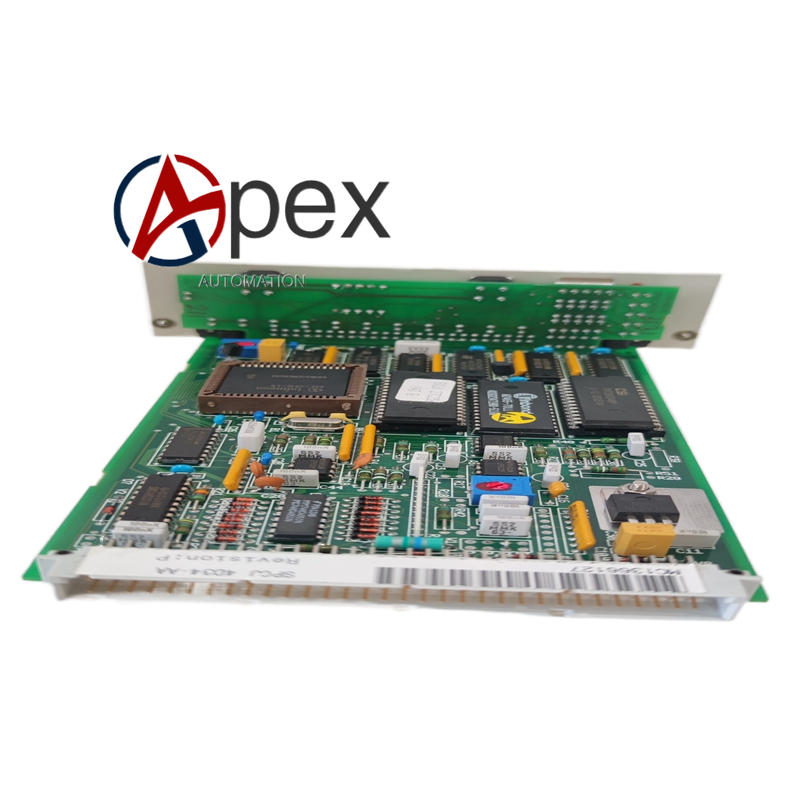
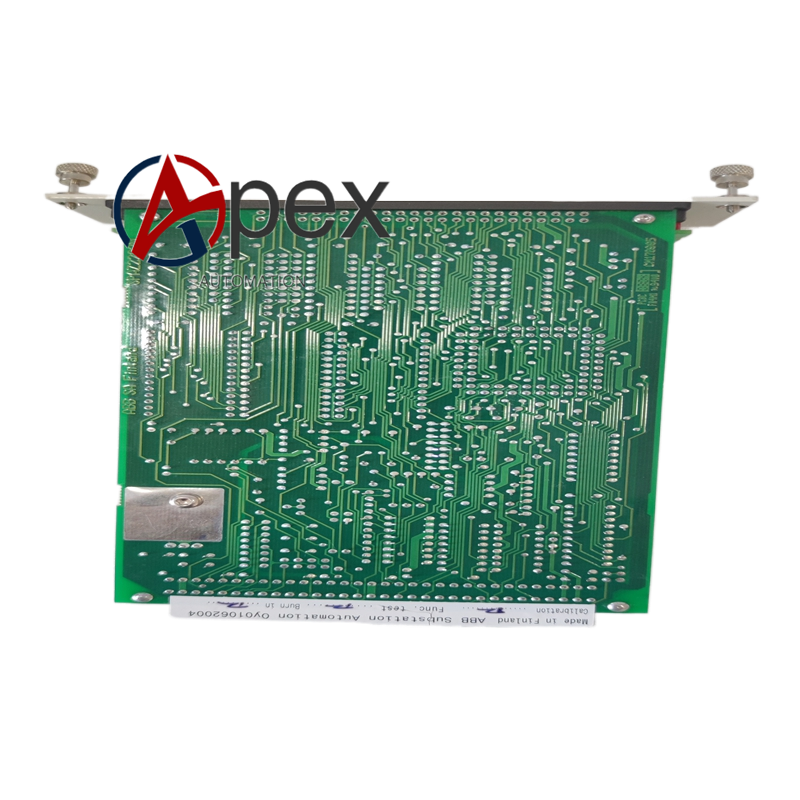

Technical Specifications Multi‑stage over‑current and earth‑fault protection logic. Rated current input 5 A. Auxiliary power supply 80‑265 V AC/DC. Operating temperature ‑25 ℃ to +70 ℃, storage temperature ‑40 ℃ to +85 ℃, non‑condensing relative humidity 5%‑95%. Module surface IP20. Complies with IEC 60255 relay protection standards.
Functional Features Provides configurable protection threshold and time‑delay parameters. Realizes fault judgment according to sampled current value. Outputs trip and alarm dry‑contact signals. Built‑in fault event recording function. Supports local status indication via front‑panel LED lamps.
Application Scenarios Serves as feeder and motor protection unit in industrial power plants and distribution substations. Applied for substation renovation and spare‑part replacement.
Performance Parameters Protection action time meets power‑system coordination requirements. Fault recording stores multiple groups of event data. Relay contact possesses stable switching capacity. Hardware self‑diagnosis detects internal circuit abnormality.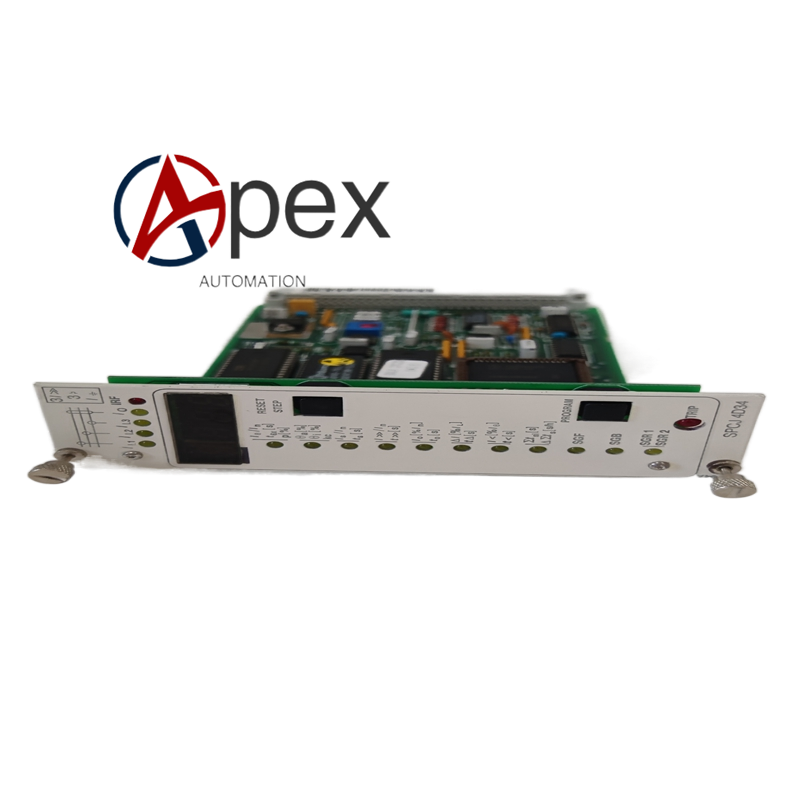
Material Composition Glass‑fiber epoxy printed circuit board. Protection processing chip, current sampling circuit. Electromagnetic relay components. Reinforced metal housing. Screw‑type secondary‑circuit wiring terminals. Copper‑alloy contact pieces.
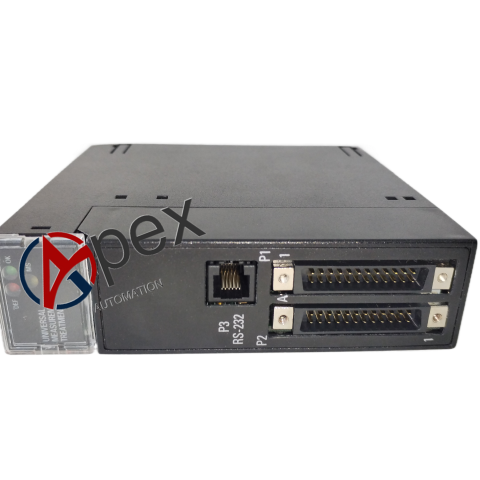
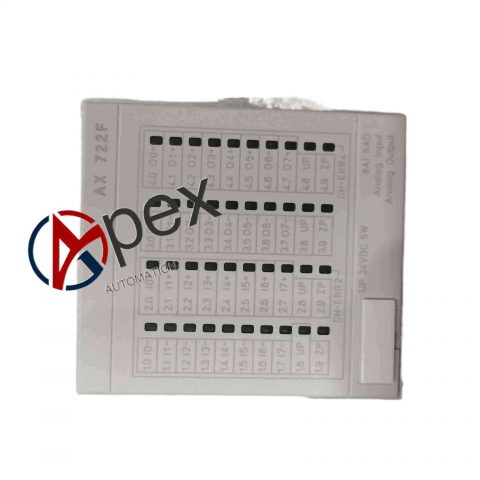
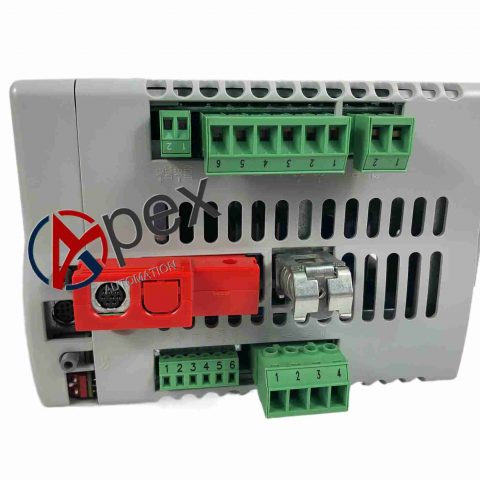
Structural Characteristics Rack‑mount plug‑in module structure. Front panel arranges LED status indicators. Rear side is equipped with current input, power supply and contact output terminals.
Working Principle After power‑on, module completes hardware self‑check. It samples secondary current signal from current transformer. Internal processor executes protection logic according to preset setting values.
Installation Requirements Install module into designated protection rack position and tighten fixing screws. Complete CT input, auxiliary power and output loop wiring strictly follow protection schematic.
Usage Notes Secondary current loop must not operate under open‑circuit state. Avoid strong electromagnetic interference environment. Periodically inspect terminal tightening condition. Back‑up setting parameters before modification. Comply with power safety specifications during commissioning.





There are no reviews yet.