



Technical Specifications
Channel count: 16 analog inputs. Input types: 4-20mA, ±10V DC, J/K/T/E thermocouples, Pt100 RTD selectable per channel. Resolution: 16-bit. System accuracy: ±0.1% of full scale. Channel isolation: 250V AC channel-to-channel. Backplane supply: 5V DC. Power dissipation: 1.8W. Operating temperature: 0°C to +60°C. Storage temperature: -40°C to +85°C.
Functional Features
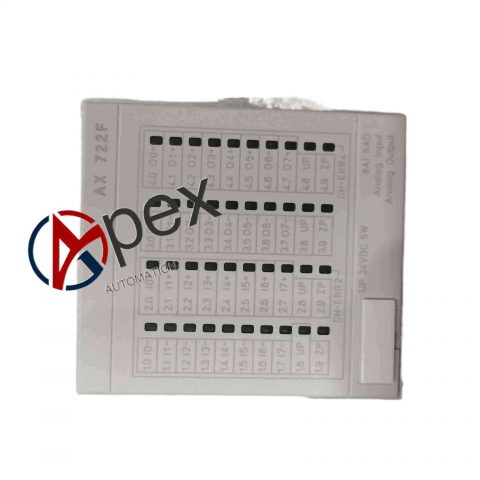
Per-channel input type and range configuration for maximum field flexibility. Built-in cold junction compensation for thermocouple inputs. Open circuit and short circuit fault detection per channel. Digital signal filtering reduces noise interference. Hot-swap replacement with automatic configuration download. Front panel LED status indicators per channel.
Application Scenarios
It is used for process variable measurement in power generation DCS, refinery process control, chemical manufacturing, water and wastewater treatment, and pulp and paper production systems.
Performance Parameters
Update rate: 100ms per channel. CMRR: 120dB at 60Hz. Temperature drift: ±25ppm/°C. Operating temperature range: 0°C to +60°C. Vibration resistance: 2G @ 10Hz to 500Hz.
Material Composition
Housing: UL 94 V-0 flame-retardant plastic. PCB: FR-4 glass epoxy. Contacts: gold-plated copper. Analog components: precision low-drift operational amplifiers.
Structural Characteristics
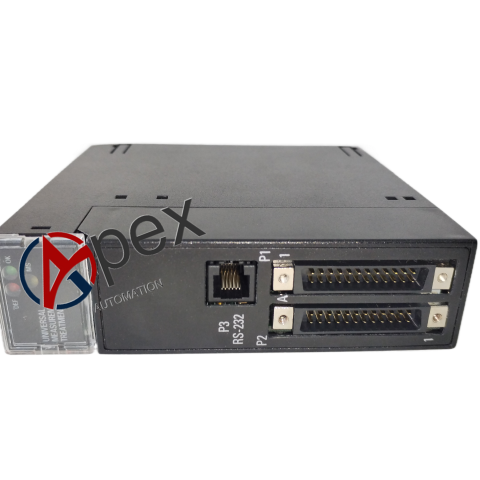
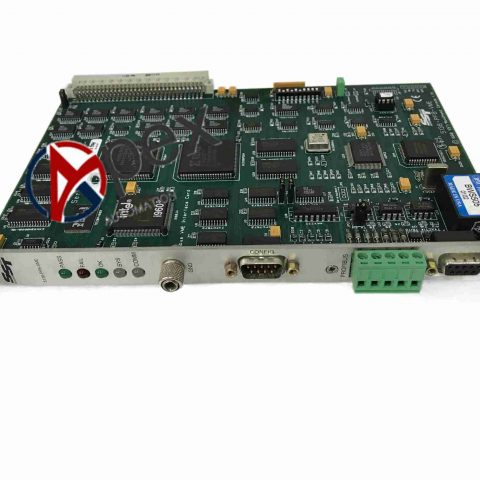
Standard DCS card form factor, front panel status LEDs, rear backplane connector, card guide rails, and ejection lever.
Working Principle
Field analog signals are conditioned, multiplexed and converted to digital values by on-board ADC circuitry. Digital values are transmitted to the DCS controller over the backplane bus for control, display and historization. On-board diagnostics detect and report channel faults.
Installation Requirements
Install in any free I/O slot of Symphony Plus chassis. Ensure full seating and latching. Use shielded field wiring grounded at system side. Configure channel types via engineering workstation.
Usage Notes
Calibrate periodically per site maintenance schedule. Avoid routing analog cables parallel to power cables. Check status LEDs for fault indication. Follow ESD handling procedures.





There are no reviews yet.