

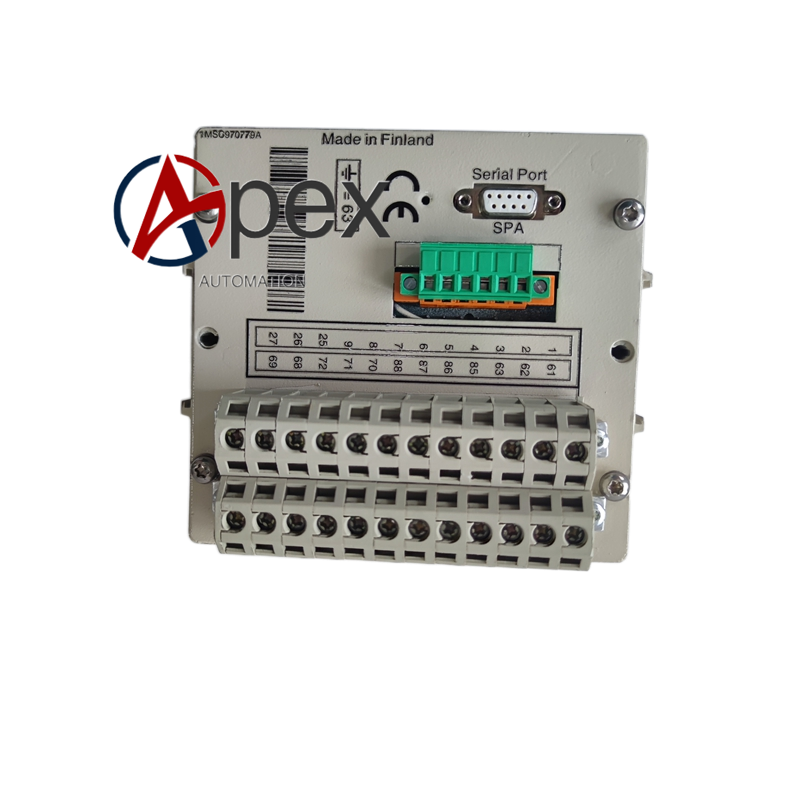
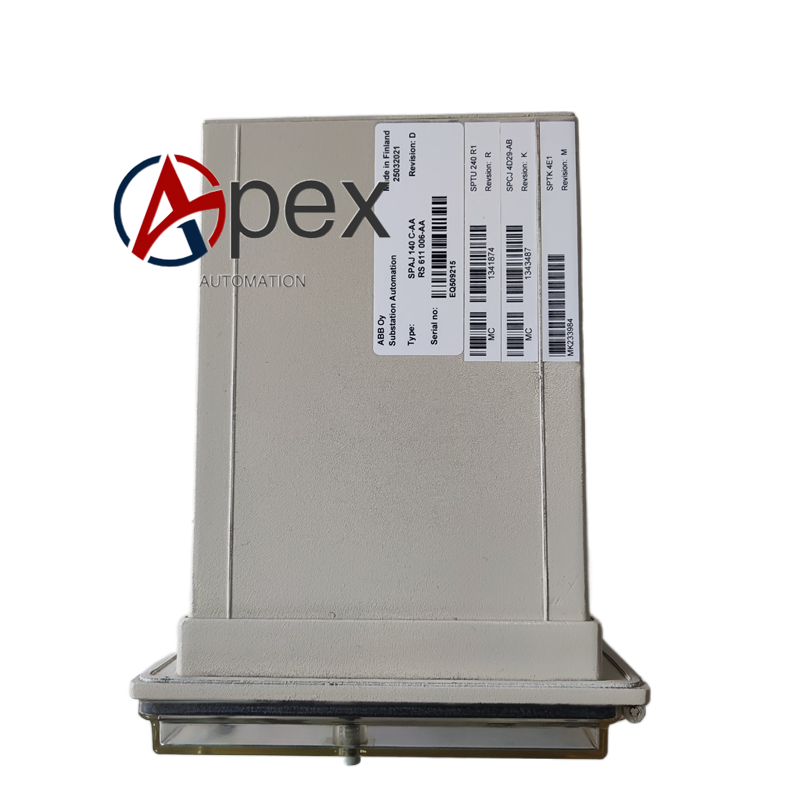

Technical Specifications Over‑current and earth‑fault protection function. Rated current input 5 A. Auxiliary power supply 80‑265 V AC/DC. Operating temperature ‑25 ℃ to +70 ℃, storage temperature ‑40 ℃ to +85 ℃, non‑condensing relative humidity 5%‑95%. Front‑panel protection grade IP40, rear terminal area IP20. Complies with IEC 60255 relay protection standards.
Functional Features Implements configurable over‑current and earth‑fault protection logic. Completes electrical parameter measurement. Front‑panel display shows measured value, fault record and setting parameters. Relay contact outputs trip and alarm signal. Built‑in fault event recording function.
Application Scenarios Applied for feeder protection of industrial power plant and distribution substation. Used for power distribution cabinet protection, old substation renovation and spare‑part replacement.
Performance Parameters Protection action time meets power distribution protection requirement. Measurement accuracy satisfies site monitoring demand. Event recording can store multiple fault records. Relay contact has long mechanical service life.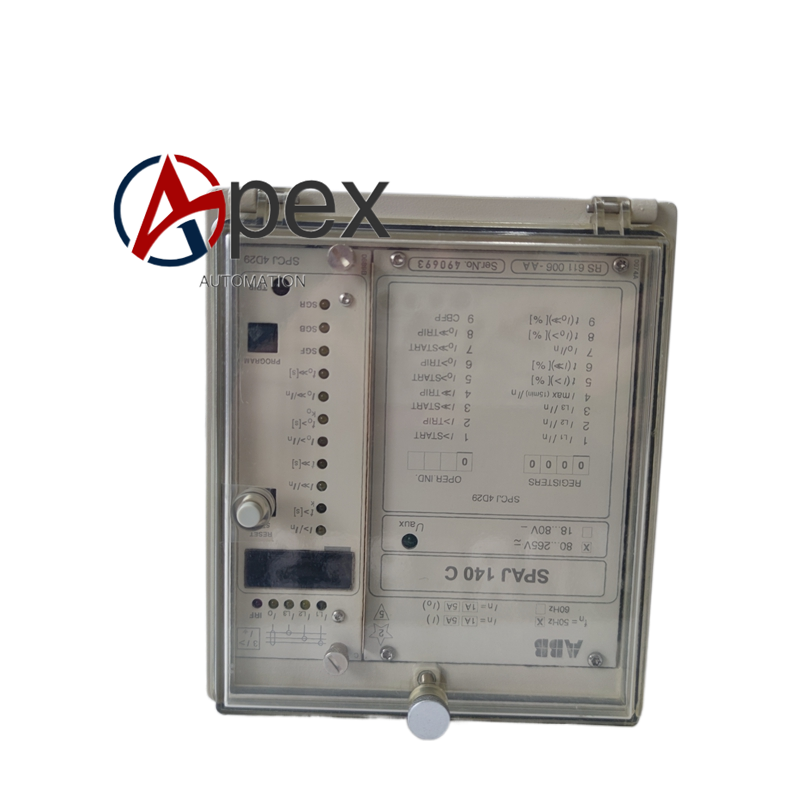
Material Composition Metal alloy housing. Industrial‑grade protection processing chip, signal sampling circuit. Liquid‑crystal display unit, operation button. Screw‑type high‑current terminals. Copper‑alloy relay contact components.
Structural Characteristics Standard panel‑mount housing structure. Front‑panel equipped with display screen and operation buttons. Rear side arranges current input, power supply and output contact terminals.
Working Principle After power‑on, relay completes hardware self‑check. It samples current signal from current transformer. Internal protection unit executes protection algorithm according to setting parameters.
Installation Requirements Install relay on cabinet front panel and fasten fixing accessory. Complete CT input, auxiliary power supply and trip‑alarm loop wiring strictly according to protection drawing. Ensure cabinet protective grounding. Complete protection parameter setting after power‑on. Verify protection function through on‑site test.
Usage Notes Do not exceed rated input current. Take anti‑interference measure for secondary current loop. Periodically check terminal tightening condition. Read and back‑up fault record during maintenance. Follow power safety specification for parameter modification.





There are no reviews yet.