

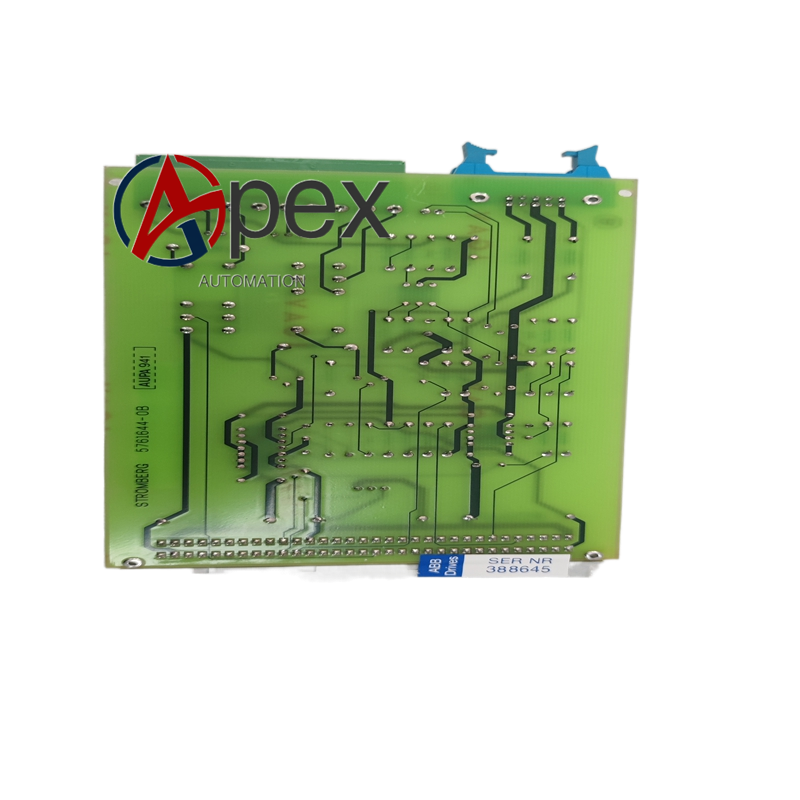

Technical Specifications Isolated channel design, signal input 24 V DC. Auxiliary power supply 24 V DC. Typical power consumption 4.1 W. Operating temperature ‑20 ℃ to +65 ℃, storage temperature ‑40 ℃ to +85 ℃, non‑condensing relative humidity 5%‑95%. Module surface IP20. Complies with relevant IEC safety component standards.
Functional Features Provides galvanic isolation between field side and control side. Realizes safety signal receiving and forwarding. Built‑in channel self‑diagnosis function. Front‑panel LED displays channel working and fault status. Supports long‑term stable operation under industrial harsh environment.
Application Scenarios Used for safety interlock loop of chemical, petrochemical industry. Connects safety field sensor and safety controller. Applies for safety system renovation and spare‑part replacement work.
Performance Parameters Isolation voltage reaches industrial safety level. Signal response keeps millisecond‑level. Self‑diagnosis function can capture channel circuit fault. LED indication feedbacks working state accurately.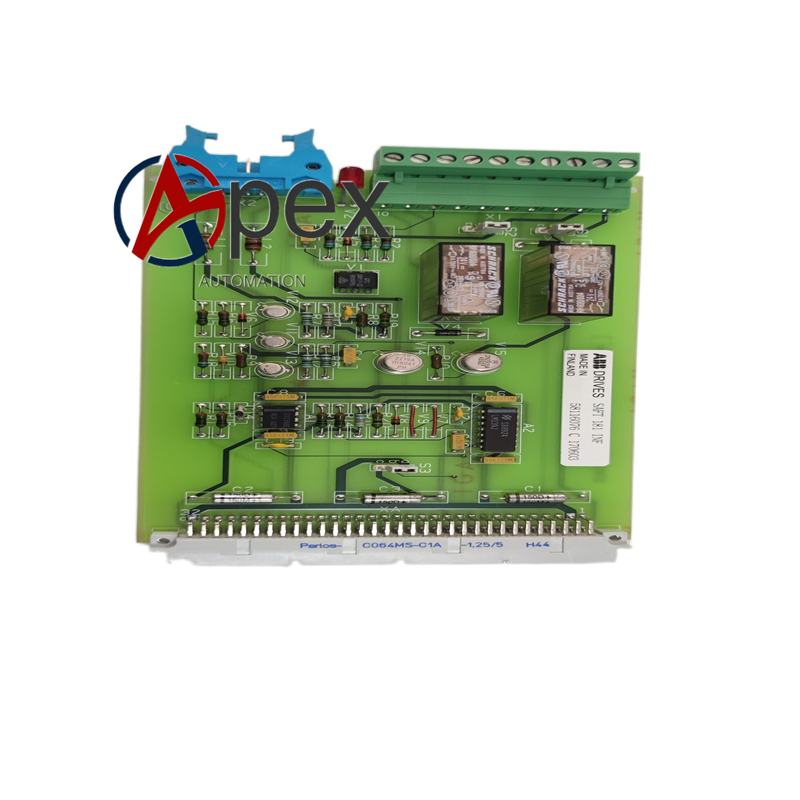
Material Composition Glass‑fiber epoxy printed circuit board. Optocoupler isolation components, safety‑grade signal processing chip. Reinforced plastic housing. Screw‑type wiring terminals. Copper alloy connector contact parts.
Working Principle After power‑on, module completes hardware self‑check. External safety signal enters module and passes isolation circuit. Signal converts to internal logic signal and transmits to control system back‑plane bus. Self‑diagnosis circuit monitors channel status continuously and triggers fault indication when abnormality appears.
Installation Requirements Insert module into cabinet rack slot and lock fastening screw. Connect 24 V DC auxiliary power supply within rated scope. Complete field signal wiring strictly follow engineering drawing. Guarantee cabinet protective grounding. Confirm LED status after power‑on.
Usage Notes Take anti‑static measure before touching circuit board. Hot‑plug under powered condition is forbidden. Regularly inspect terminal tightening condition. Avoid dust and corrosive gas erosion. Follow safety system maintenance specification for periodic inspection.





There are no reviews yet.