

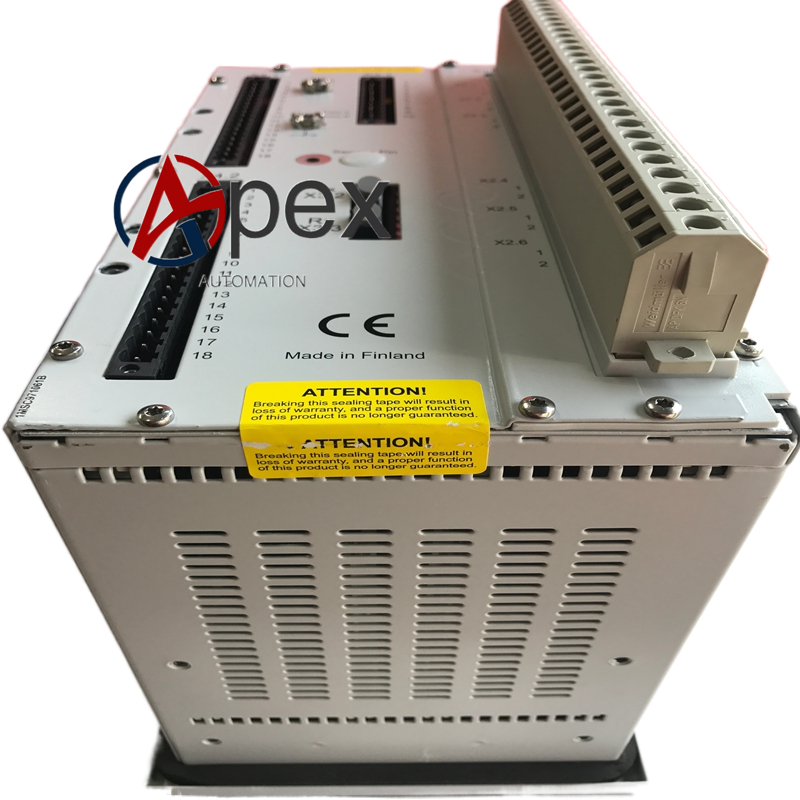
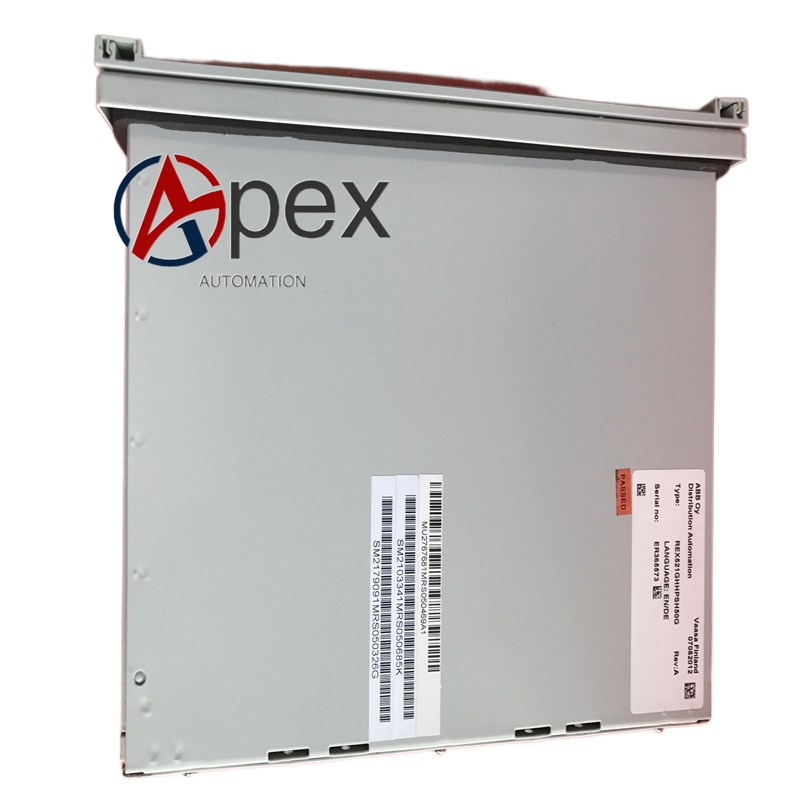

Technical Specifications Inverse‑time and definite‑time over‑current, earth‑fault, over‑voltage and under‑voltage protection. Configurable analog input, binary input and binary output relay channels. Supports Modbus RTU and IEC60870‑5‑103 communication protocols. Auxiliary power supply 80‑250 V DC / 85‑265 V AC. Typical power consumption 10 W. Operating temperature ‑25 ℃ to +55 ℃, storage temperature ‑40 ℃ to +85 ℃, non‑condensing relative humidity 5%‑95%. Front‑panel IP40, rear terminal area IP20. Meets CE and IEC standards.
Functional Features Provides multi‑protection functions for distribution feeders. Measures current, voltage and frequency parameters. Collects switch position signals, supports local and remote control. Stores fault event records. Front‑panel keys and display realize parameter setting and status browsing. LED indicators display power, operation, trip and alarm status. Built‑in hardware self‑diagnosis monitors internal faults.
Application Scenarios Installed inside medium‑voltage switchgear cabinet or relay cabinet. Applied for feeder protection of utility and industrial distribution substations. Suitable for substation reconstruction projects.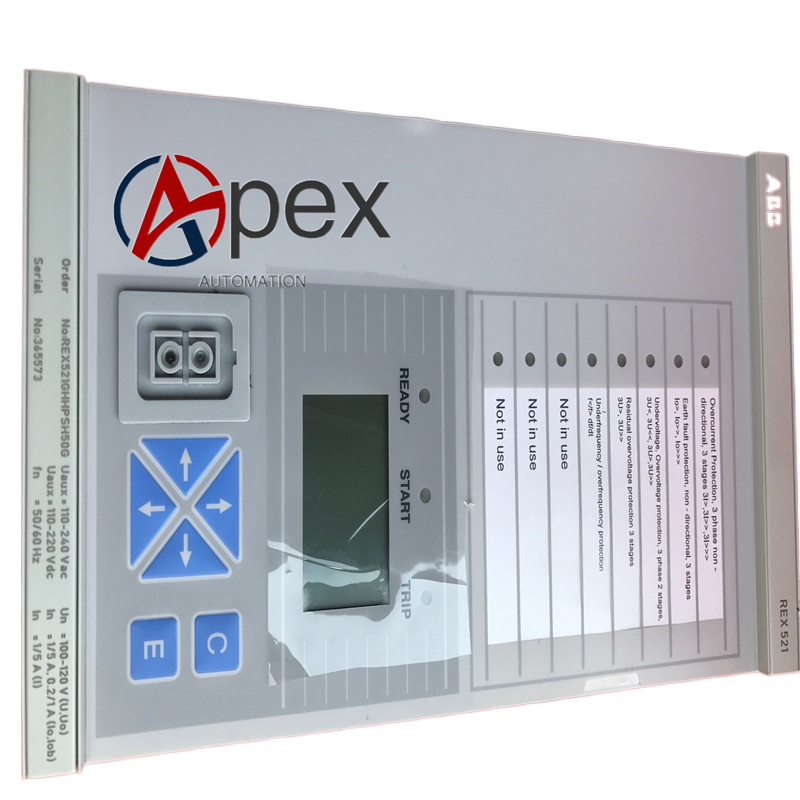
Working Principle After power‑on, relay completes hardware self‑check. CT and VT secondary signals enter sampling circuit. Protection logic compares real‑time electrical quantity with setting values. When fault condition is satisfied, internal relay acts and outputs dry‑contact trip‑alarm signal. Fault data can be read locally or uploaded via communication interface.
Installation Requirements Fix relay inside cabinet. Connect auxiliary power supply within rated range. Complete CT, VT and binary‑loop wiring per engineering drawing. Connect communication cable for remote function. Configure protection parameters via front‑panel or software. Implement protective grounding. Check LED status after power‑on.
Usage Notes Take anti‑static measures before opening housing. Strictly abide by high‑voltage safety rules for CT and VT secondary circuit work. Forbid disassembly under powered condition. Periodically check terminal torque and protection setting values. Avoid mechanical shock and corrosive gas. Back‑up parameter files regularly.





There are no reviews yet.