

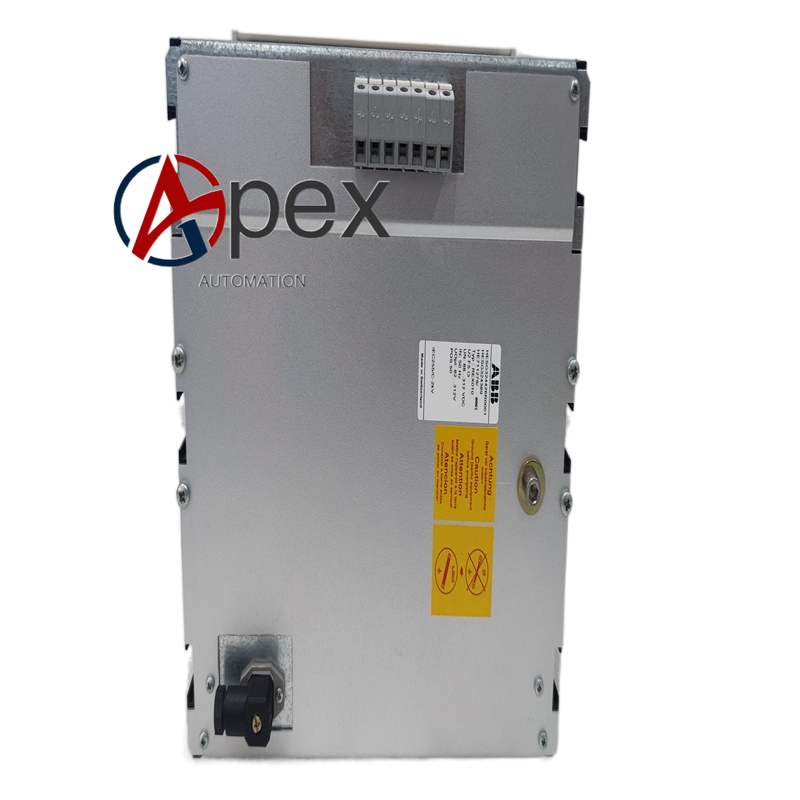
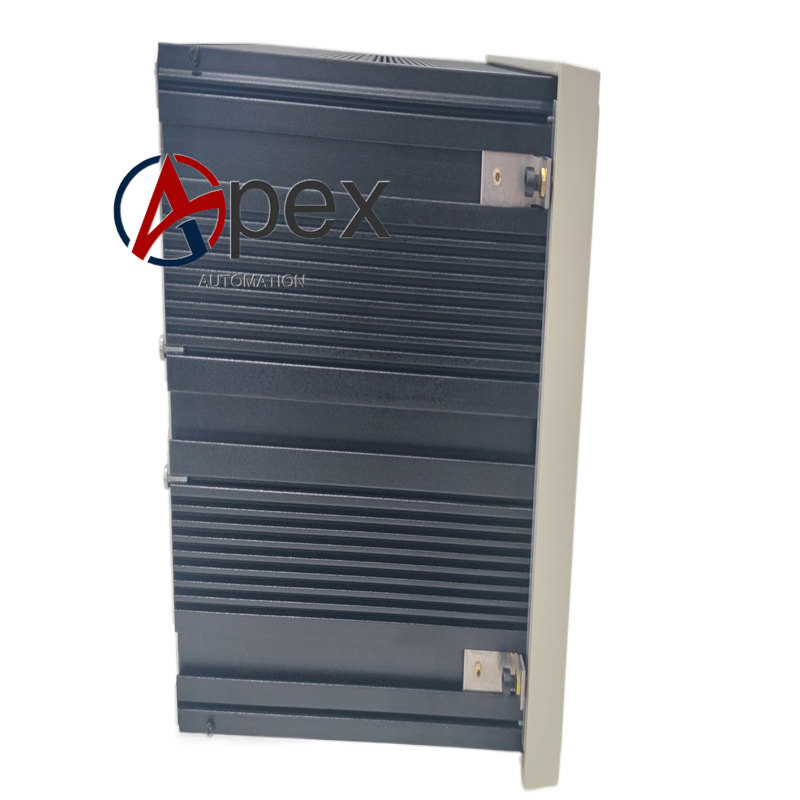

Technical Specifications Multi‑channel binary signal logic processing, dry‑contact relay output. Binary input rated 24‑250 V DC. Relay contact rated 250 V AC / 5 A resistive load. Auxiliary power supply 24‑250 V DC. Typical power consumption 4.5 W. Operating temperature ‑25 ℃ to +70 ℃, storage temperature ‑40 ℃ to +85 ℃, non‑condensing relative humidity 5%‑95%. Module front face IP30, rear contact area IP20. Complies with CE and IEC relay standards.
Functional Features Receives external binary status and fault signals. Executes configurable logic‑gate operation. Drives high‑reliability dry‑contact relay output for trip and alarm loop. LED indicators show module power and relay‑action status. Simple hardware self‑monitoring for power‑supply abnormality.
Application Scenarios Mounted inside protection relay rack cabinet. Used for logic expansion and signal output of traditional power‑system protection equipment. Mainly applied for substation equipment renovation and spare‑part replacement scenarios.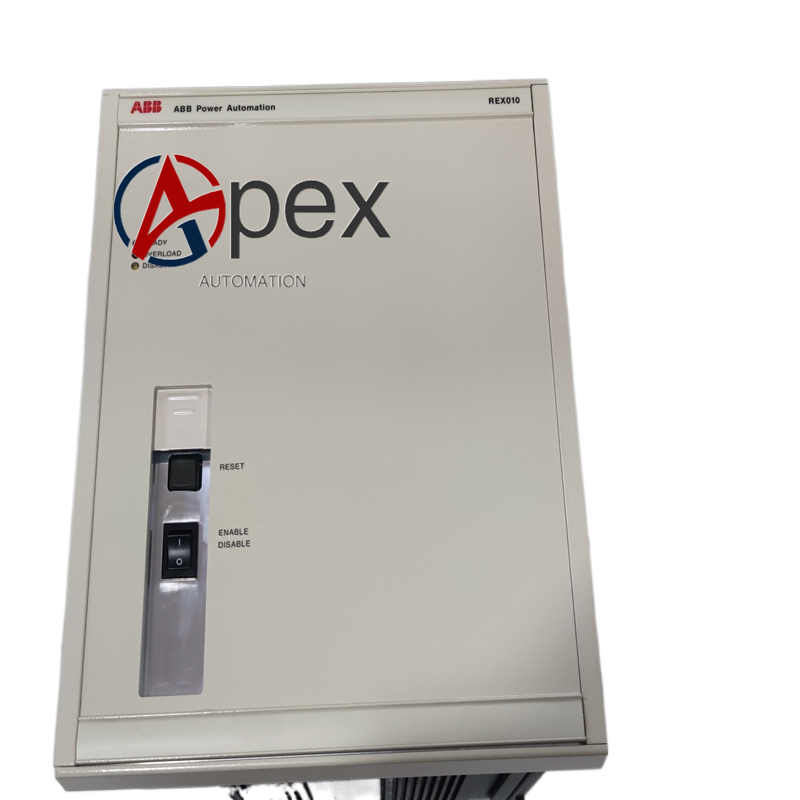
Performance Parameters Relay contact mechanical life reaches 10 000 000 operations. Contact switching capacity meets secondary‑circuit load requirements. Signal response time maintains at millisecond level. Power‑supply fault triggers corresponding LED alarm indication.
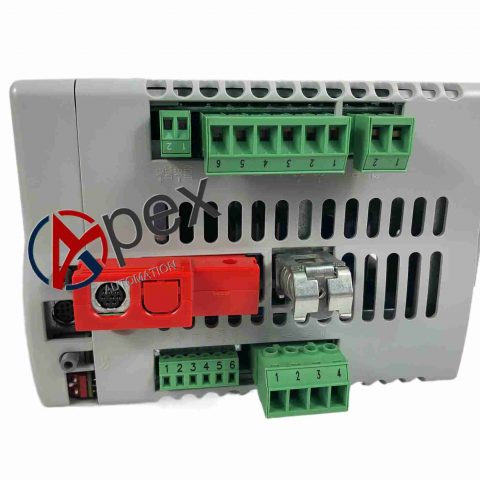
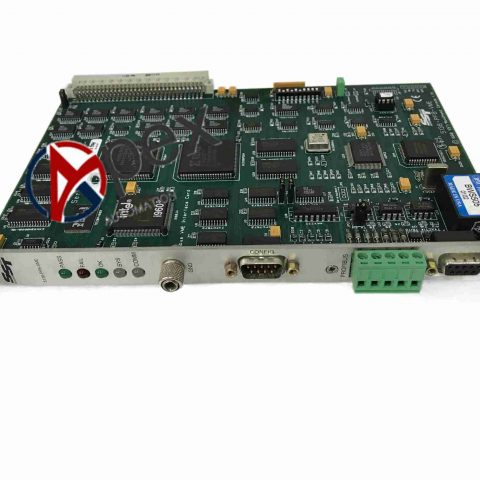
Material Composition Glass‑fiber epoxy printed circuit board. Industrial‑grade logic processing chips and electromagnetic relay components. Screw‑type connection terminals. Plastic module housing with metal reinforcement. Copper‑alloy contact pieces for relay and terminals.
Working Principle After power‑on, module completes power‑supply self‑check. External binary input signals are sent to logic processing circuit. According to internal hardware‑wired or configurable logic relationship, drive corresponding electromagnetic relay to act. Relay dry‑contact closes or opens to complete trip‑alarm signal output.
Installation Requirements Insert module into standard relay rack slot and lock fastening screw. Connect
auxiliary power supply within rated voltage range. Complete binary input‑output wiring according to engineering drawing. Ensure reliable rack protective grounding. Check front‑panel LED status after power‑on.





There are no reviews yet.