

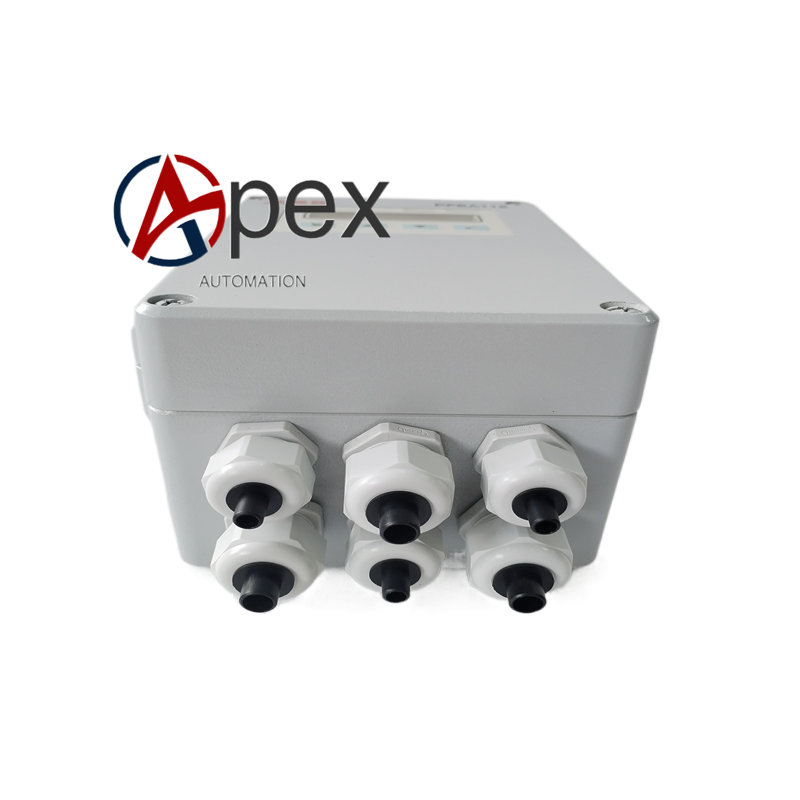

Technical Specifications Model: PFEA112‑65 Mounting Mode: Wall‑mount installation on machine body surface Power Supply: DC 24 V, 18‑36 V allowable range Power Consumption: 7.5 W Load Cell Excitation: 0.5 A rms, 330 Hz Display: 2×16‑character local LCD display Analog Output: 0‑10 V or 4‑20 mA configurable Communication Interface: PROFIBUS‑DP Operating Temperature: ‑20 °C to +70 °C Storage Temperature: ‑40 °C to +85 °C Relative Humidity: 5‑95 %, non‑condensing Protection Class: IP65 Certifications: CE
Functional Features Calculates tension sum value, difference value and single‑sensor measured value. Local parameter configuration via front‑panel membrane keypad. Real‑time tension value display on on‑board LCD screen. Built‑in adjustable digital signal filtering function. Load‑cell breakage and fault‑status detection function. Analog output gain and offset parameter on‑site configurable. PROFIBUS‑DP bus realizes tension data upload and remote parameter modification.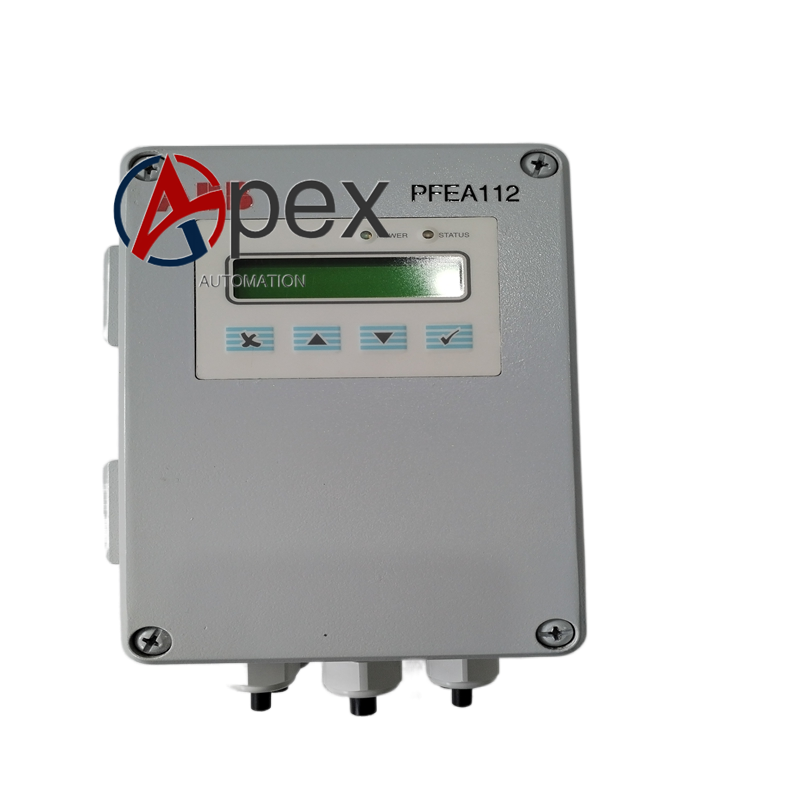
Application Scenarios Spare‑part replacement for PFEA112‑65 field‑mount tension unit on printing, coating and slitting machinery. Machine‑body direct‑mount tension measurement project requiring PROFIBUS‑DP digital communication. Harsh workshop site with dust and liquid splash without available control cabinet installation space. Hardware maintenance and component renewal for legacy field‑installed ABB PROFIBUS‑DP tension control equipment.
Installation Requirements Cut off equipment total power supply before installation or replacement work. Fasten sealed enclosure firmly on designated machine‑body wall‑mount bracket. Pass power cable, load‑cell cable and PROFIBUS‑DP bus cable through matching compression cable glands, tighten glands fully. Set correct PROFIBUS‑DP station address before power‑on test. Complete protective earthing complying with equipment grounding specification. Avoid long‑term direct sunlight radiation acting on enclosure outer surface. Ambient operating temperature keeps within ‑20 °C‑+70 °C without condensation. Complete sensor calibration, verify analog output and PROFIBUS‑DP communication performance after power‑on.





There are no reviews yet.