

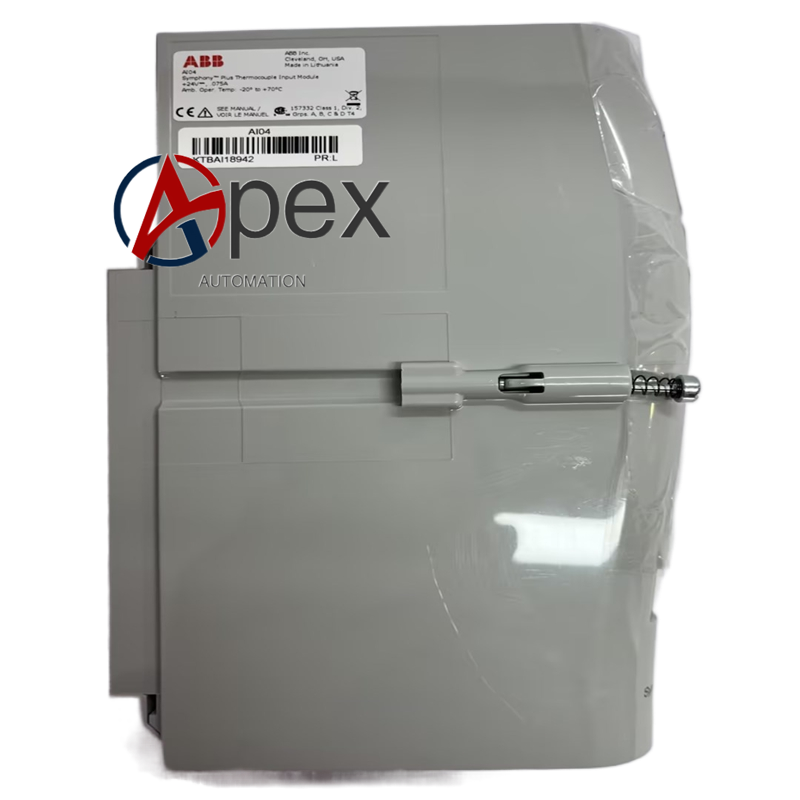
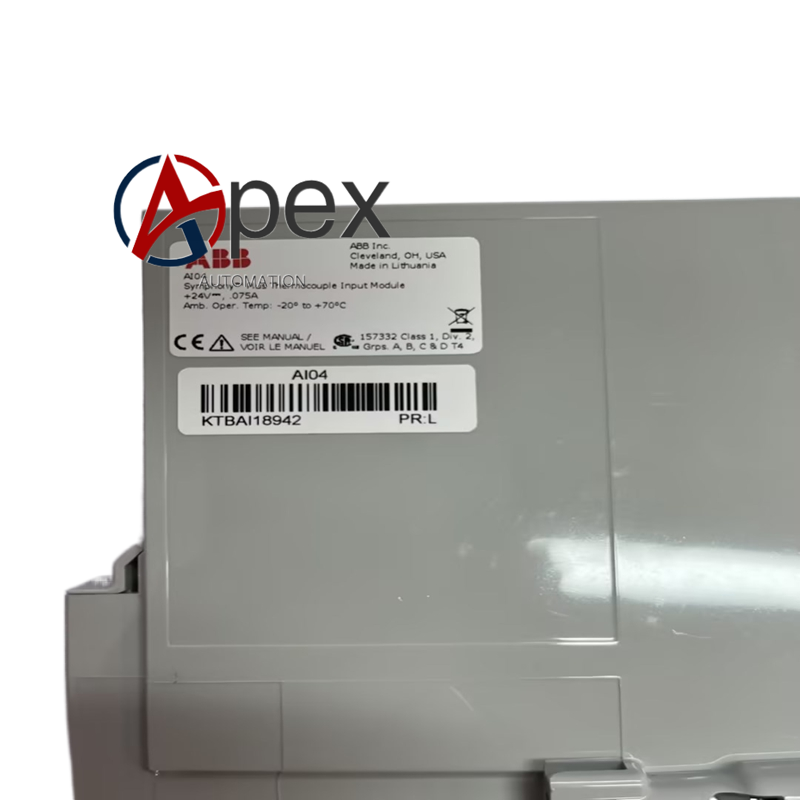

Technical Specifications Operating Supply Voltage: 24 VDC ±10% Number of Input Channels: 16 independent configurable channels Supported Input Types: Thermocouple E, J, K, R, S, T, B, L, N, U; Chinese standard E and S thermocouple; millivolt ‑100 mV ~ +100 mV A/D Resolution: 16‑bit with polarity Full‑module Update Time: 300 ms for all 16 channels Measurement Accuracy: ±0.05 % of Full Scale Range (FSR = 200 mV) Cold‑Junction Compensation: Three configurable modes: base‑mount RTD, external RTD, user‑defined input Isolation Type: Group galvanic isolation Operating Temperature: 0 ℃ to +60 ℃ Storage Temperature: ‑40 ℃ to +85 ℃ Relative Humidity: 5%‑95%, non‑condensing Mounting Form: Standard rack plug‑in installation Protection Class: IP20 Certifications: CE
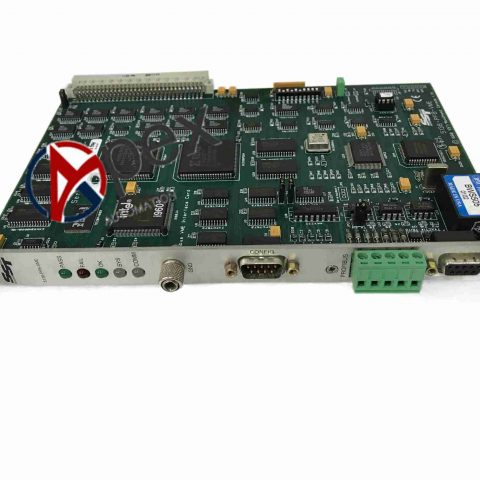
Functional Features Accepts multi‑type thermocouple and millivolt weak analog signals. Three optional cold‑junction compensation modes adapt to different field application conditions. Built‑in sensor loop open‑circuit and short‑circuit fault diagnosis function. Group‑wise galvanic isolation prevents field‑side interference impact on control system. Transmits temperature measurement result and diagnostic alarm information to DCS via backplane bus. Front‑panel LED indicators display module power, running and fault status. Software parameter configuration without hardware jumper adjustment. Fully mechanical and electrical compatibility with Symphony Plus SD‑series rack base unit.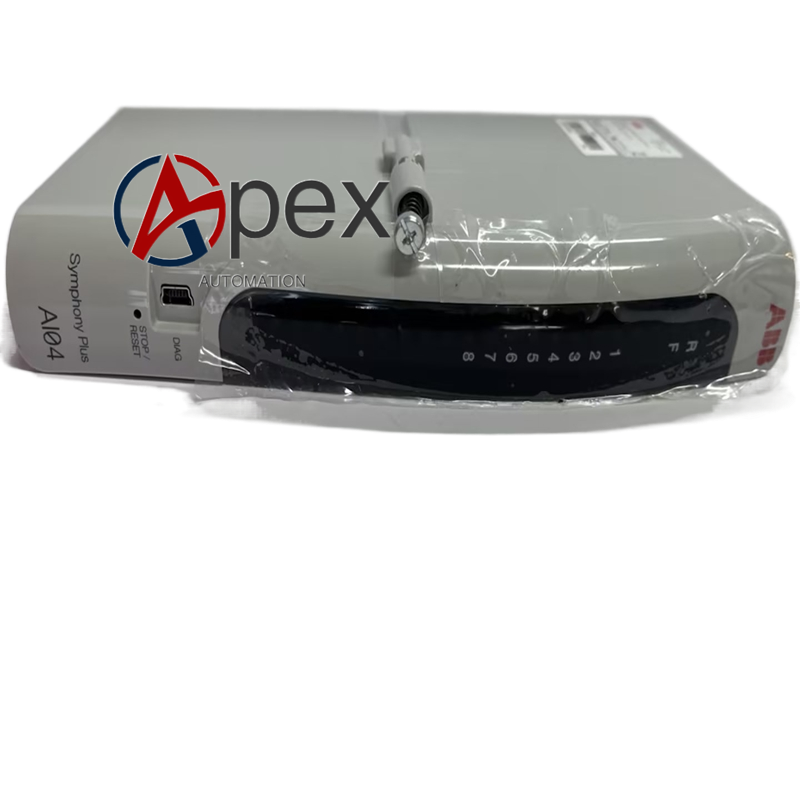
Application Scenarios Furnace, kiln high‑temperature multi‑point temperature monitoring in petrochemical industry. Power plant boiler flue‑gas and heating surface temperature measurement. Metallurgy industrial high‑temperature process parameter acquisition cabinet. Symphony Plus DCS system spare‑part maintenance and replacement project.
Installation Requirements Insert AI04 module into designated slot of Symphony Plus SD‑series standard rack. Select and configure cold‑junction compensation mode matching on‑site actual condition. Complete cabinet protective earth connection strictly follow system grounding specification. Thermocouple wiring must adopt matched compensation cable. Separate compensation cable and high‑power power‑cable routing. Confirm thermocouple type matches software channel configuration setting before power‑on.





There are no reviews yet.