



Technical Specifications
Number of ports: 4 independent serial ports. Port types: RS-232, RS-485 selectable per port. Communication protocols: Modbus RTU/ASCII, DNP3, ASCII, custom protocols. Baud rate: 300bps to 115.2kbps selectable. Isolation voltage: 250V AC port-to-port, 500V AC port-to-bus. Backplane current: 450mA @ 5V DC. Power dissipation: 2.25W maximum. Operating temperature range: 0°C to +60°C. Storage temperature range: -40°C to +85°C.
Functional Features
Four independent serial ports support simultaneous communication with multiple devices. It supports multiple standard industrial protocols for broad third-party device compatibility. Built-in protocol processing reduces controller communication load. It provides port status indicators and diagnostic functions. Hot-swap design enables online maintenance.
Application Scenarios
It applies to integration of process analyzers, weigh scales, barcode readers, variable frequency drives, third-party PLCs, and intelligent field devices into Ovation DCS systems.
Performance Parameters
Maximum baud rate: 115200bps. Maximum data throughput: 1200 packets per second. Operating temperature range: 0°C to +60°C. Vibration resistance: 2G @ 10Hz to 500Hz. Shock resistance: 30G, 11ms.
Material Composition
Front panel is UL 94 V-0 flame-retardant plastic. Circuit board uses FR-4 glass epoxy substrate with serial communication controllers. Connectors are nickel-plated copper alloy.
Structural Characteristics
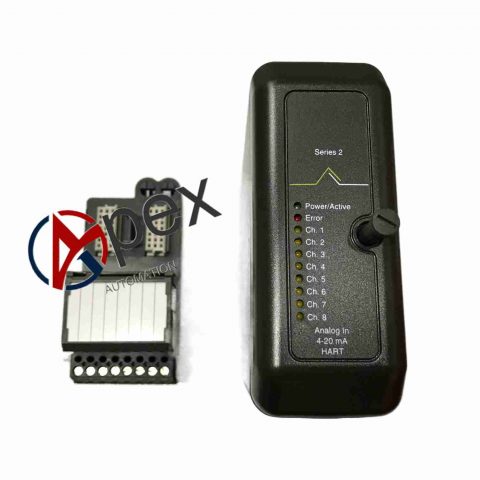
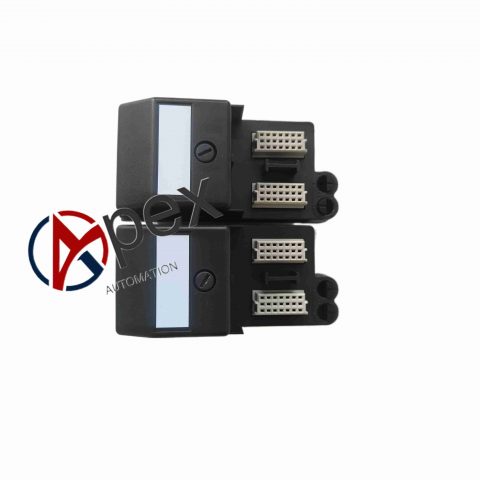
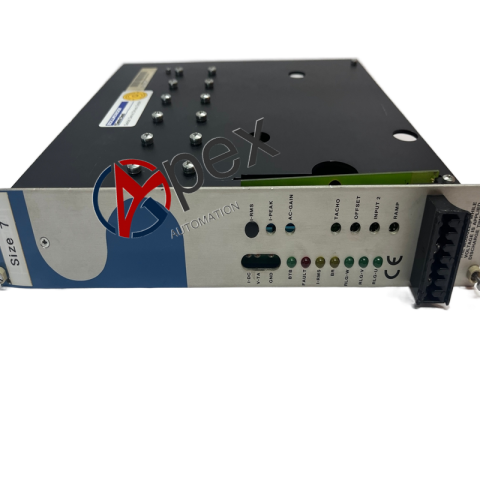
It features standard rack-mount card design with front panel port status LEDs, communication port connectors, rear backplane connector, and card guide rails for chassis mounting.
Working Principle
It receives data from serial field devices through the serial ports, processes and converts the data according to the configured protocol, and transmits the data to the Ovation controller via the system backplane. It also converts controller commands into serial protocol data to control and configure third-party devices.
Installation Requirements
Install in a standard Ovation I/O chassis slot. Use shielded serial cables for field connections. Ground cable shields at the system end. Configure baud rate, protocol and port parameters via engineering software. Ensure reliable system grounding.








There are no reviews yet.