



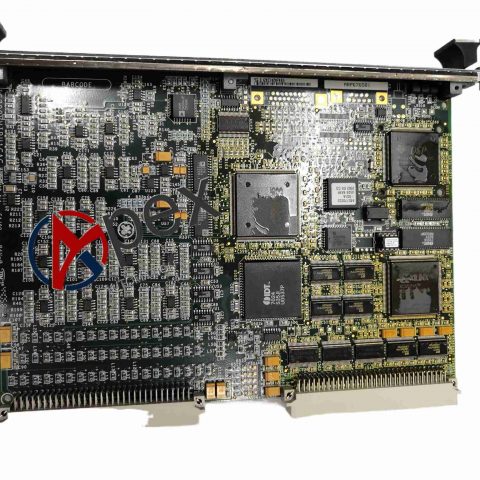
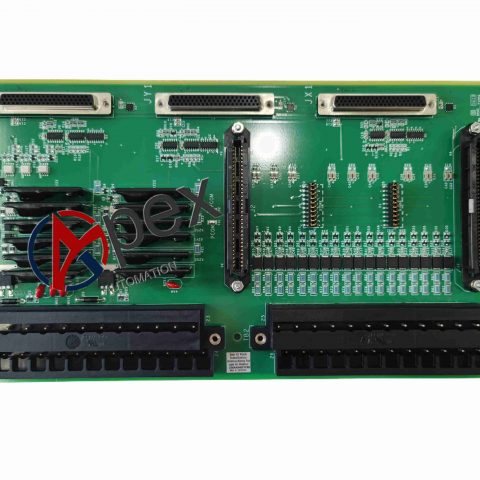
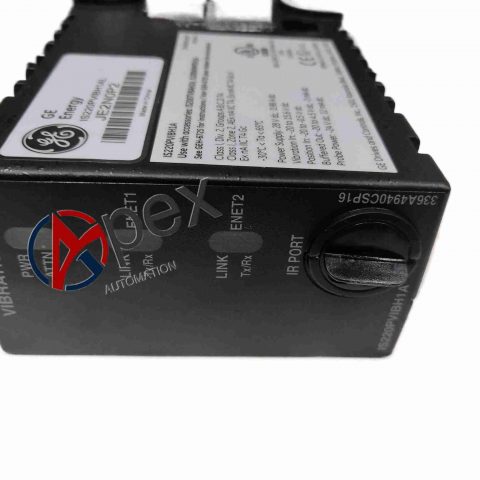
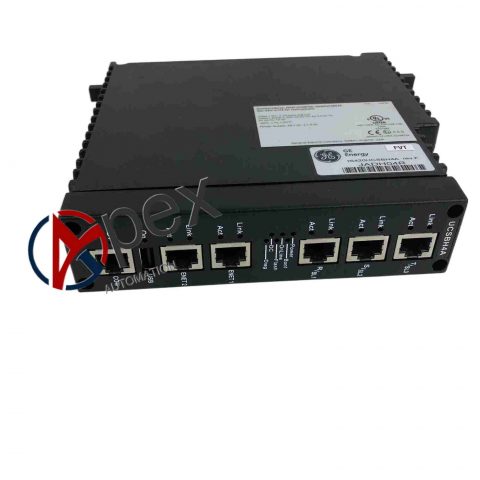
Technical Specifications Module Type: VME‑based vibration transducer signal processing board Applicable System: GE Mark VIe Turbine Control System Input Signal Type: Vibration sensor analog signals Bus Interface: Mark VIe VME backplane bus Operating Power: Supplied via Mark VIe VME rack backplane Operating Temperature: ‑30 ℃ to +70 ℃ Storage Temperature: ‑40 ℃ to +85 ℃ Relative Humidity: 5%‑95%, non‑condensing Mechanical Dimension: Standard Mark VIe VME form‑factor plug‑in PCB board Certifications: CE, UL power generation industrial component compliance
Functional Features Multi‑channel vibration sensor signal reception and conditioning under VME system architecture. Calculates vibration amplitude and related measurement parameters for turbine rotating parts. Transmits vibration measurement data and fault‑alarm status to main controller via VME backplane bus. Front‑edge LED indicators display signal‑channel validity and board operating status. Built‑in self‑diagnosis detects sensor signal loss and board internal hardware faults. Supports vibration‑based alarm and protection‑logic triggering for Mark VIe turbine units.
Application Scenarios Turbine bearing and shaft vibration signal processing inside Mark VIe control cabinet. Rotating‑machinery condition monitoring for power‑plant gas‑turbine and steam‑turbine units. Spare‑part replacement for legacy Mark VIe power‑plant control installations.
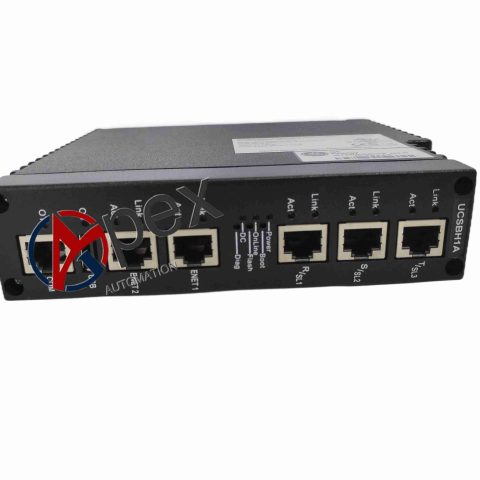
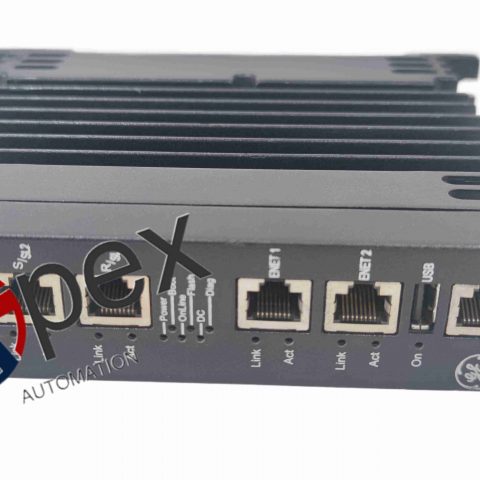
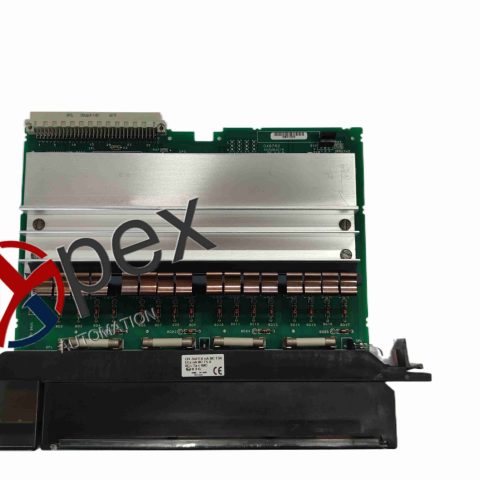
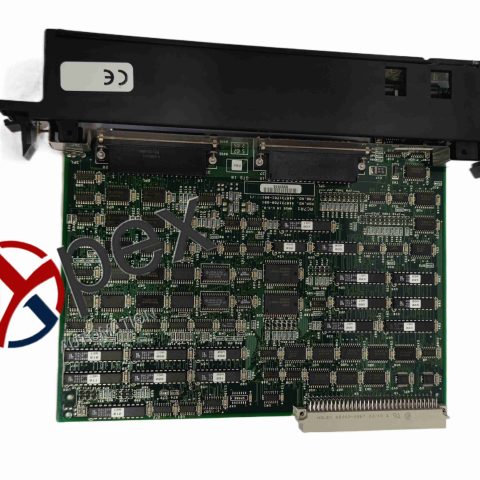
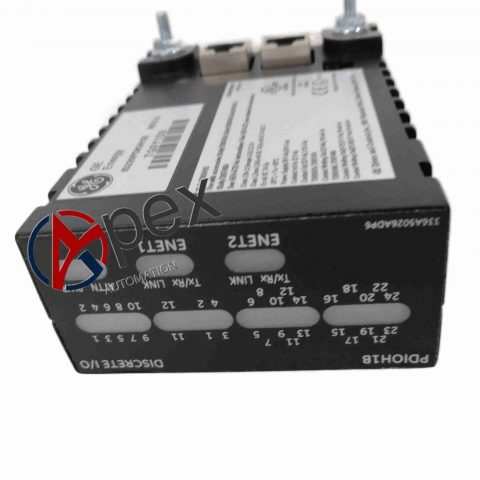
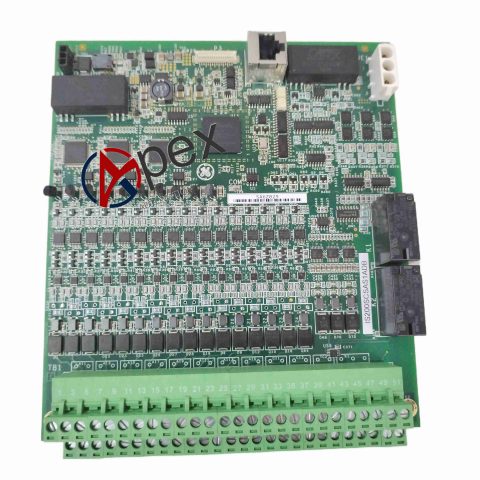
Structural Characteristics Standard VME‑form‑factor plug‑in PCB compatible with Mark VIe rack specification. Front‑edge LED indicator group for vibration‑channel and board status display. Rear VME golden‑finger connector for VME bus communication and power supply access.
Working Principle Analog vibration signals from field transducers feed into board input channels. Signals go through specialized filter and conditioning circuits. On‑board hardware computes vibration amplitude values.
Installation Requirements Insert board into vibration‑monitor dedicated VME slot of GE Mark VIe control rack. Carry out rack protective grounding strictly following GE power‑plant grounding specification. Field vibration sensor cables use dedicated shielded cables and keep separation distance from high‑voltage power cables.


There are no reviews yet.