


Technical Specifications User Memory:20MB program memory, 20MB data memory Logic Execution Speed:0.1μs per boolean instruction Built‑in Port:1×Ethernet port, 1×RS232 serial port Maximum I/O Support:512 local I/O points Backplane Power Consumption:350mA @5VDC Operating Temperature:‑40℃~+60℃ Storage Temperature:‑45℃~+85℃ Relative Humidity:5%‑95%, non‑condensing Certifications:CE, UL, cUL
Functional Features Wide low‑temperature operating capability, identical logic function as standard CPE305, built‑in dual communication interfaces, fault event logging, online program monitoring, ABAD specific firmware version pre‑loaded.
Application Scenarios Outdoor cold‑climate control cabinet, northern field equipment, refrigeration industry control system, low‑temperature industrial site retrofit projects.
Performance Parameters Deterministic scan cycle under full low‑temperature range Complete fault diagnostic recording Shock & vibration:Comply with IEC 60068
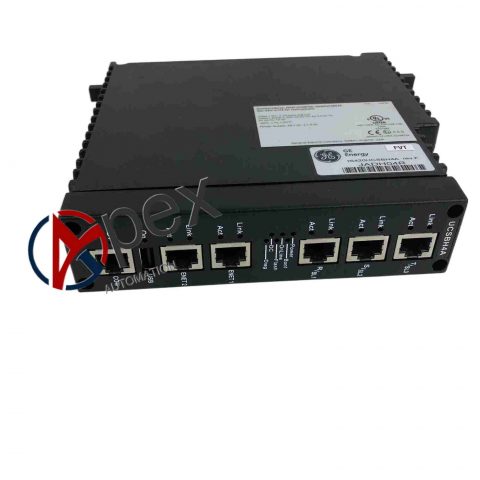
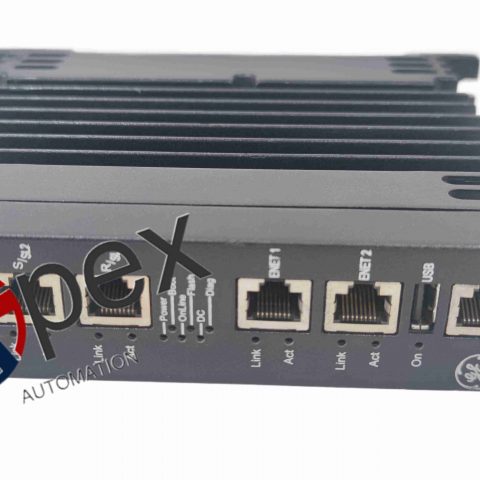
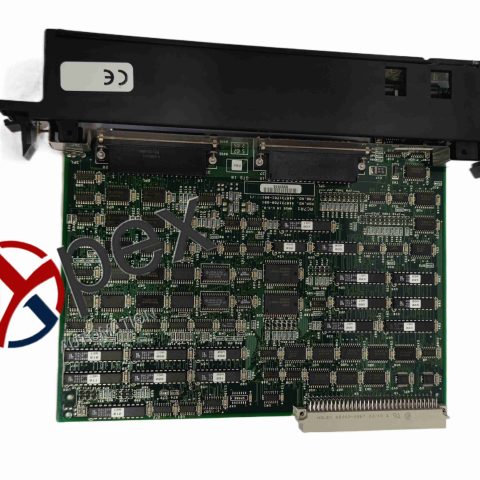
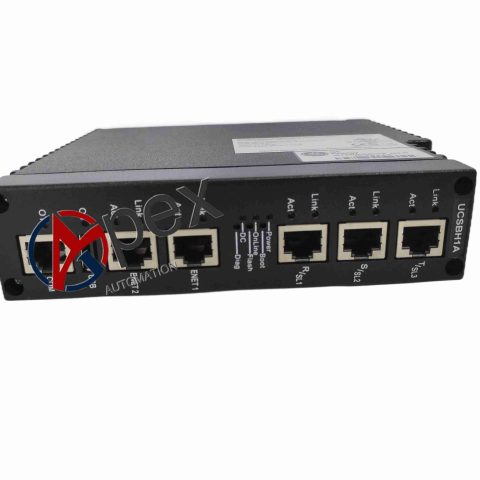
Structural Characteristics Standard RX3i plug‑in rack module Front‑panel multi‑color status LED indicators RJ45 Ethernet connector and RS232 serial port Backplane gold‑finger bus contact Internal wide‑temperature grade component assembly Mechanical locking latch
Working Principle Consistent with IC695CPE305. Wide‑temperature hardware guarantees normal chip operation in cold environment. CPU refreshes I/O image, executes user logic program, completes communication data exchange, and stores diagnostic events. ABAD configuration defines preset firmware and parameter settings for project use.
Installation Requirements Mount into dedicated CPU slot of RX3i main rack. Strictly implement cabinet protective grounding. Confirm actual on‑site operating temperature stays within ‑40℃~+60℃ range. Configure network and serial parameters via programming software. Power‑off rack for module replacement, hot‑swap forbidden. Avoid condensation inside cabinet under large temperature fluctuation.
Usage Notes Do not exceed rated I/O capacity. Backup program and configuration files. Prevent condensation damage under temperature drop. Check LED status and fault log during routine maintenance. On‑site disassembly is prohibited. Avoid corrosive gas and liquid splash.


There are no reviews yet.