


Technical Specifications User Memory:10MB program memory, 10MB data memory Logic Execution Speed:0.1μs per boolean instruction Built‑in Port:1×Ethernet port, 1×RS232 serial port Maximum I/O Support:256 local I/O points Backplane Power Consumption:320mA @5VDC Operating Temperature:0℃~+60℃ Storage Temperature:-40℃~+85℃ Relative Humidity:5%‑95%, non‑condensing Certifications:CE, UL, cUL
Functional Features Logic program execution, real‑time I/O data processing, built‑in Ethernet and serial communication, program online download and monitoring, fault diagnosis and event log storage, support hot‑swap under power‑off condition.
Application Scenarios Small‑size manufacturing equipment, packaging machinery, water treatment auxiliary unit, compact‑scale RX3i automation system.
Performance Parameters Deterministic cyclic scan execution Complete fault event recording function Supports redundant software configuration Shock & vibration:Comply with IEC 60068
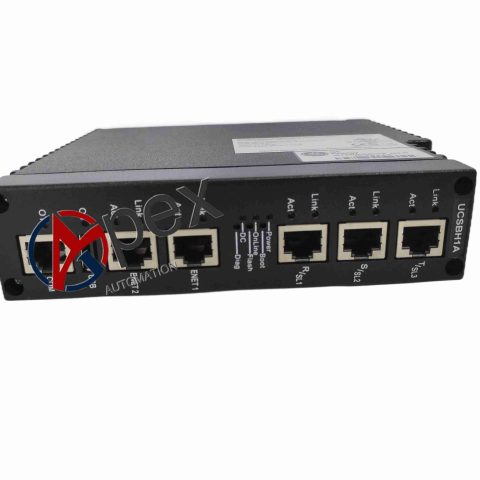
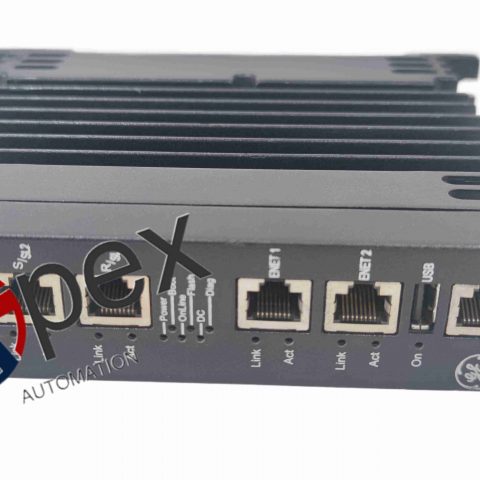
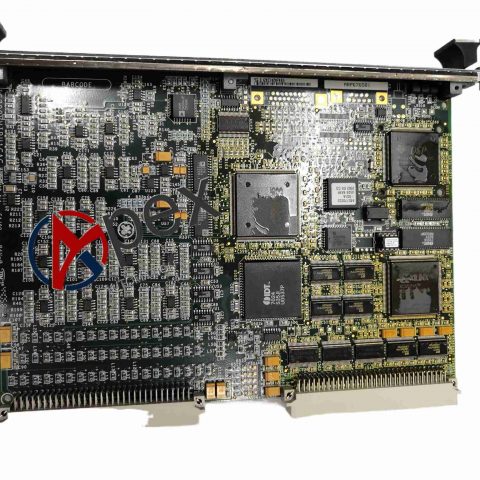
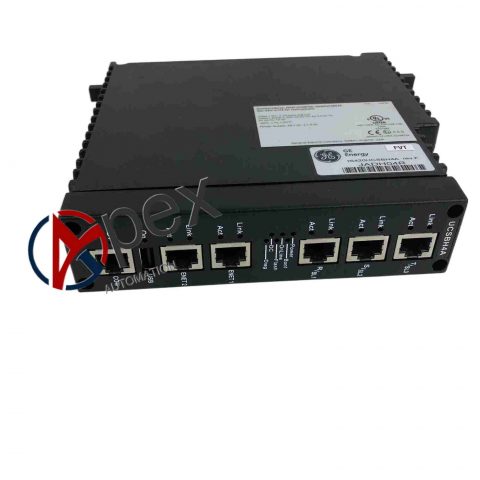
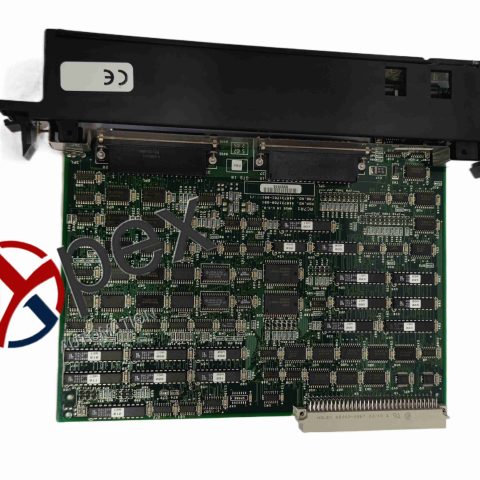
Structural Characteristics Standard RX3i plug‑in rack module Front‑panel multi‑color status LED indicators Ethernet RJ45 connector and RS232 serial terminal Backplane gold‑finger bus contact Internal high‑performance processor and memory chip assembly Mechanical locking latch
Working Principle Obtain field I/O status from backplane bus in each scan cycle. Execute user compiled logic program stored in internal memory. Output computed control commands to I/O modules via backplane bus. Complete data exchange with HMI and upper system through built‑in communication ports. Record system fault events inside non‑volatile memory.
Installation Requirements Insert module into CPU dedicated slot of RX3i main rack. Complete cabinet protective grounding. Configure IP address and serial parameters through programming software. Use shielded Ethernet cable for network connection. Power‑off rack before module replacement, hot‑swap is not allowed under powered state. Maintain good cabinet heat dissipation.
Usage Notes Do not exceed maximum supported I/O quantity. Back up user program periodically. Prevent surge interference on communication ports. Observe front‑panel LED status for fault troubleshooting. On‑site disassembly is prohibited. Avoid corrosive gas, liquid splash and oil mist.


There are no reviews yet.