



Technical Specifications
Number of output channels: 8. Output signal ranges: 4-20mA, ±10V DC selectable per channel. Resolution: 14-bit. Accuracy: ±0.2% full scale @ 25°C. Isolation: 500V AC channel-to-bus, 250V AC channel-to-channel. Backplane current draw: 400mA @ 5V DC. Power dissipation: 2W maximum. Operating temperature range: 0°C to +60°C. Storage temperature range: -40°C to +85°C.
Functional Features
Per-channel configurable output ranges support diverse field device compatibility. Galvanic isolation eliminates ground loop interference between control and field circuits. Front panel status indicators provide per-channel operating and fault status. Hot-swap capability enables module replacement without system shutdown.
Application Scenarios
It is widely applied in gas and steam turbine control systems, power plant DCS platforms, compressor control systems, and industrial process regulation for power generation, oil & gas and petrochemical industries.
Material Composition
Front panel: flame-retardant PC/ABS engineering plastic. Circuit board: FR-4 glass epoxy substrate with copper traces. Output circuits: precision 14-bit digital-to-analog converters and isolation amplifiers. Connectors: gold-plated copper alloy for reliable backplane contact.
Structural Characteristics
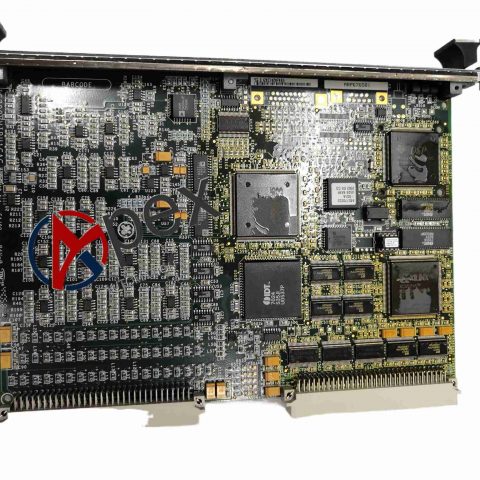
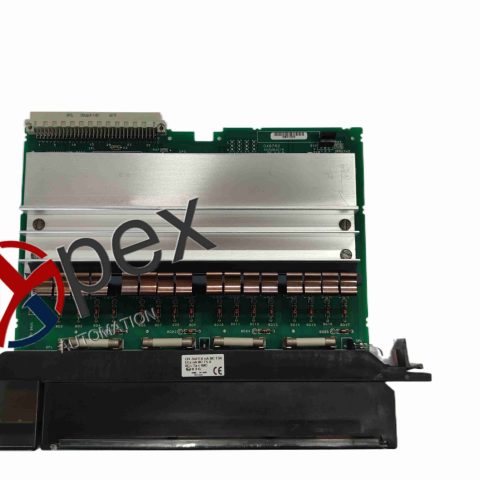
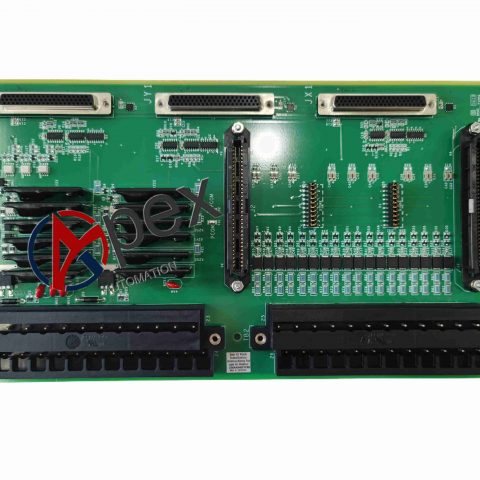
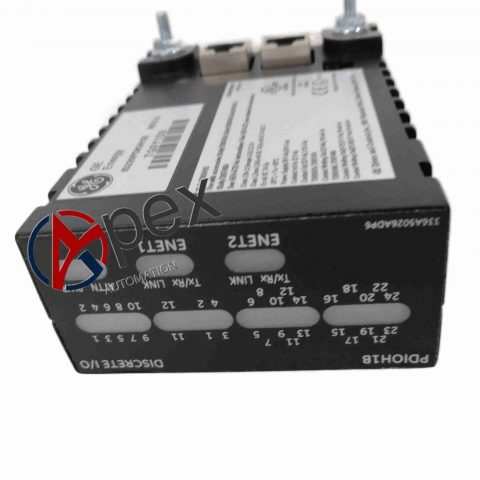
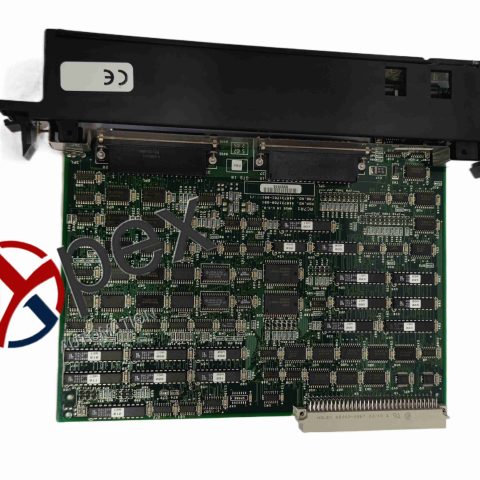
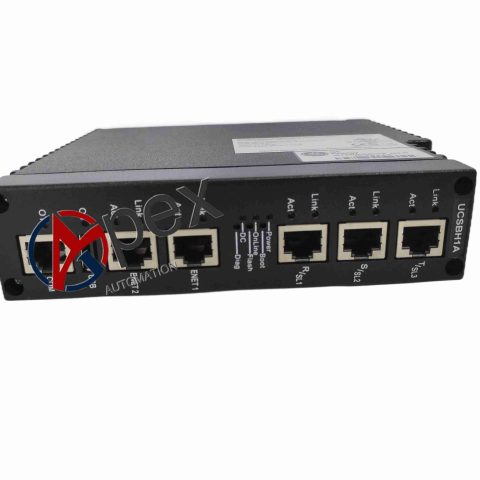
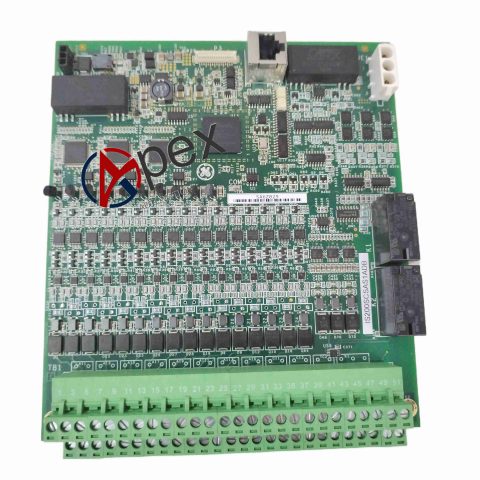
It adopts standard Mark V card form factor with front panel channel status LEDs, labeled channel identifiers, rear backplane connector, and modular card guide design for rack mounting.
Working Principle
It receives digital setpoint data from the Mark V controller via the system backplane, converts the digital values into corresponding analog voltage or current signals through isolated D/A conversion circuits, conditions and amplifies the outputs, and delivers them to field actuating equipment to realize process regulation.
Installation Requirements
Install in any available I/O slot of a Mark V chassis. Ensure the module is fully seated in the card guide and backplane connector. Use shielded twisted pair cables for field analog signals, grounded at the system side only. Verify channel configuration matches field instrument input ranges. Ensure reliable chassis grounding.


There are no reviews yet.