

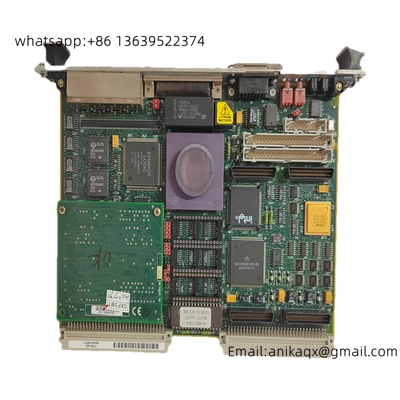

- Storage Interfaces:
- CompactFlash (CF) Type I/II socket for solid-state storage
- Optional IDE interface for additional storage expansion
- Graphics and Display Support:
- Integrated 2D/3D graphics controller
- Dual independent display support
- VGA (analog RGB) output
- LVDS (Low-Voltage Differential Signaling) for direct connection to flat-panel displays
- Network Connectivity:
- Dual Gigabit Ethernet ports (10/100/1000BASE-T)
- Supports full-duplex communication, jumbo frames, and VLAN tagging
- I/O Interfaces:
- Four USB 2.0 ports
- Two multi-mode serial ports (RS-232/422/485)
- PS/2 interface for keyboard and mouse
- Parallel port (optional)
- Stereo audio I/O (line-in, line-out, microphone)
- Expansion Capability:
- PCI bus master support
- Compatible with carrier boards supporting IEEE P1386.1 standard
- Power Requirements:
- +5 VDC nominal input
- Typical power consumption: 8–12 W depending on configuration and load
- Operating Temperature:
- Standard: 0°C to +55°C
- Extended/Rugged: -40°C to +85°C (conduction-cooled or industrial variant)
- Storage Temperature: -55°C to +100°C
- Environmental Tolerance:
- Humidity: 5% to 95% relative humidity, non-condensing
- Vibration and shock resistance compliant with MIL-STD-810 and EN 61373 standards
- Conformal coating available for high-moisture or corrosive environments
Functional Features
- Ruggedized Design: Engineered for operation in extreme conditions including high vibration, temperature fluctuations, and electromagnetic interference
- Long-Term Availability: Designed for lifecycle support exceeding 10–15 years, ideal for industrial and defense programs
- High System Reliability: ECC memory, watchdog timer, and hardware monitoring ensure stable operation
- BIOS and Firmware:
- Flash-upgradable BIOS with legacy and PXE boot support
- Configuration via DIP switches, jumpers, or software utilities
- Secure boot and BIOS password protection
- Real-Time Performance: Optimized for deterministic execution in real-time operating systems (RTOS)
- Security Options:
- Hardware write protection for CompactFlash
- Support for Trusted Platform Module (TPM) on select configurations
- Secure data storage and tamper resistance features
Mechanical and Compliance Standards
- Cooling Options: Air-cooled and conduction-cooled variants available
- Mounting: Standard PMC footprint compliant with IEEE P1386 and VITA 20/21
- EMI/EMC Compliance: Meets FCC Part 15, CE, and industrial EMC directives
- Safety Certifications: UL, CSA, TÜV, and other international safety standards
- RoHS Compliance: Lead-free and environmentally compliant manufacturing
Software Support
- Operating Systems:
- Windows XP Embedded, Windows 7 Embedded
- Linux distributions (Red Hat, SUSE, Debian, real-time kernels)
- Real-time operating systems: VxWorks, QNX, Integrity, RTLinux
- Drivers and Tools:
- Comprehensive driver suite available from TEWS
- SDKs for system integration and application development
- Diagnostic and monitoring utilities for field maintenance
Applications
- Defense and Avionics: Mission computers, cockpit displays, radar signal processing, and electronic warfare systems
- Rail Transportation: Onboard train control, signaling systems, and condition monitoring
- Industrial Automation: PLCs, HMIs, robotics controllers, and process monitoring systems
- Energy and Power Grids: Substation automation, SCADA controllers, and grid monitoring units
- Medical Imaging: Embedded control and processing in diagnostic equipment requiring long-term reliability
- Test and Measurement: Portable and fixed data acquisition systems in harsh environments
Manufacturer and Support
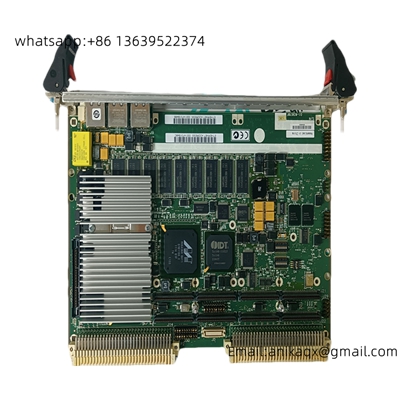
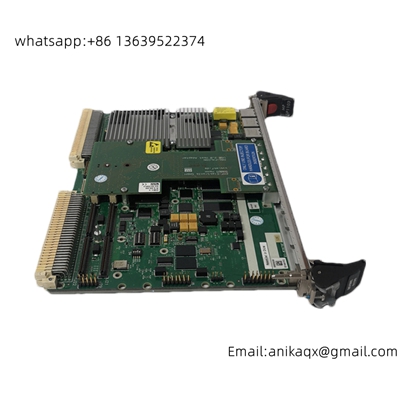
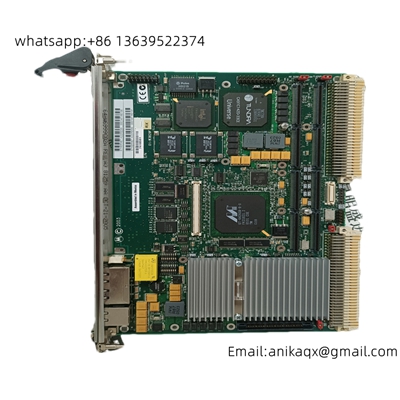
The TPMC917-10 is developed and manufactured by TEWS Technologies GmbH, based in Germany. It is distributed globally through industrial embedded system integrators and distributors. TEWS provides long-term product availability, engineering customization, firmware updates, and technical support. The S0004531 identifier may denote a customer-specific build or configuration tailored for a particular OEM or system integrator. This module is intended for integration into CPCI, VME, or custom carrier boards, serving as a core computing element in mission-critical embedded platforms.


There are no reviews yet.