

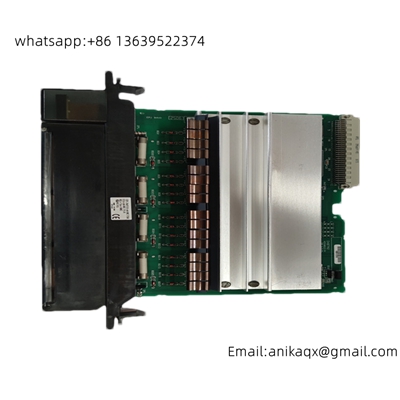

- Communication Ports:
- Ethernet: 10/100 Mbps adaptive, supporting protocols like Modbus TCP/IP.
- Serial Ports: RS-232/RS-485 for legacy device integration.
- Power Supply: 24 VDC (standard industrial voltage).
- Operating Temperature: 0°C to 70°C (extended range versions support -40°C to +85°C).
- Dimensions: Compact design for easy integration into control cabinets.
- Weight: Approximately 3–5 kg (depending on configuration).
Key Features
- High-Speed Processing: The powerful CPU ensures rapid execution of complex control tasks, reducing cycle times by up to 30% compared to traditional PLCs.
- Large-Capacity Storage: Enables the development of sophisticated control programs without memory constraints.
- Flexible Expansion: Supports a wide range of I/O modules, including analog, digital, and special-function modules (e.g., temperature control, motion control).
- Robust Security:
- Data Encryption: Protects sensitive program and operational data.
- User Authentication: Restricts access to authorized personnel only.
- Diagnostic Capabilities: Built-in fault detection and troubleshooting tools minimize downtime.
- Wide Temperature Tolerance: Operates reliably in extreme environments, from freezing conditions to high-temperature industrial settings.
Application Scenarios
- Manufacturing Automation:
- Controls robotic arms, conveyor systems, and assembly lines in automotive and electronics factories.
- Ensures precise synchronization of equipment for high-efficiency production.
- Energy Management:
- Monitors and optimizes power distribution in electrical grids, water treatment plants, and oil refineries.
- Reduces energy consumption by up to 20% through intelligent control.
- Transportation Systems:
- Manages signaling and scheduling in railways and subways.
- Enhances safety and efficiency in logistics centers through automated cargo handling.
- Process Control:
- Regulates temperature, pressure, and flow rates in chemical and pharmaceutical production.
- Maintains consistent product quality through real-time adjustments.
Industry-Specific Use Cases
- Automotive Manufacturing: Synchronizes welding robots in car assembly lines, reducing cycle times by 15% and improving product consistency.
- Water Treatment: Controls filtration and disinfection processes, ensuring compliance with environmental standards.
- Mining Operations: Monitors equipment health and environmental conditions in underground mines, enhancing worker safety.
Advantages Over Competitors
- Cost-Effectiveness: Offers industrial-grade performance at a competitive price point compared to Siemens or Rockwell alternatives.
- High Reliability: Designed for 24/7 operation in harsh environments, with an MTBF exceeding 100,000 hours.
- Easy Integration: Supports multiple communication protocols, simplifying connectivity with existing systems.
- Global Support: Backed by GE’s extensive service network, ensuring quick access to technical assistance and spare parts.


There are no reviews yet.