

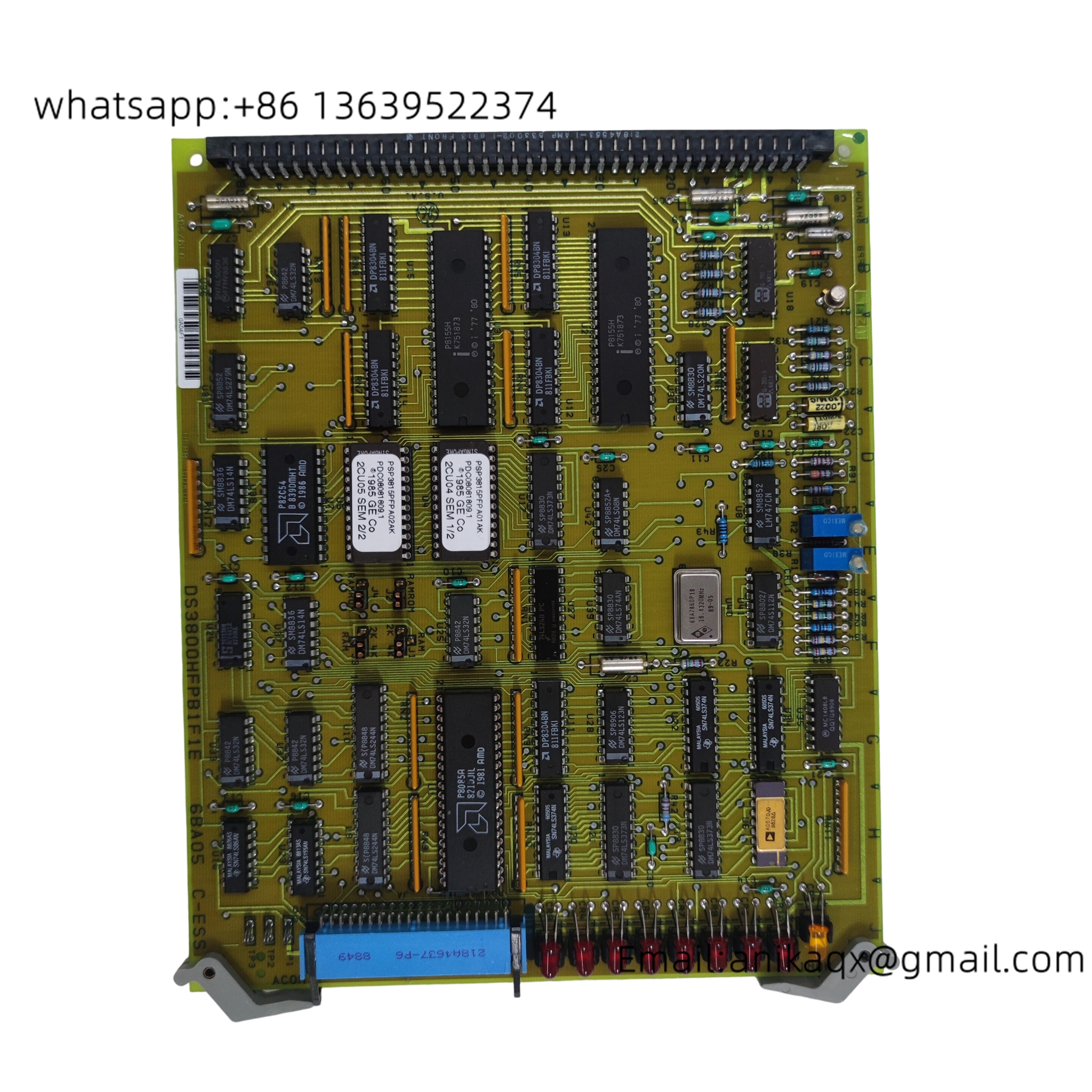

- Communication Ports:
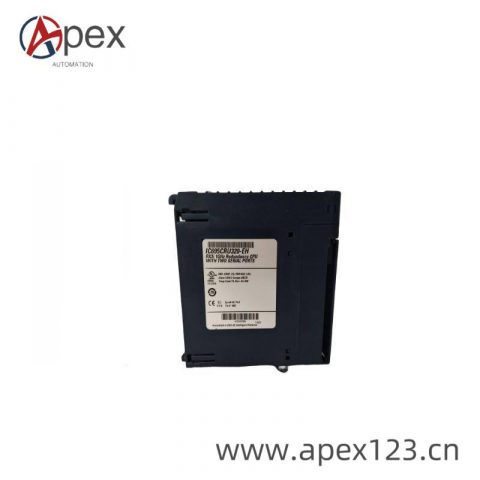
- Ethernet: Two 10/100 Mbps ports with auto-negotiation for half-duplex or full-duplex operation. Supports Ethernet Global Data (EGD) exchange, TCP/IP high-speed data transfer, Modbus/TCP server and client protocols, and SRTP channels.
- Serial: One RS-232 port, one RS-485 port, and one dedicated station manager port. Supports Modbus RTU slave, SNP, and serial I/O protocols.
- Power Requirements:
- Rated voltage: +5V, +12V, or -12V DC
- Backplane current rating: 3.4 A (5V DC)
- Operating Temperature: 0°C to 60°C
- Storage Temperature: -40°C to 85°C
- Protection Class: IP20
Functional Features
- High-Performance Processing: Capable of executing floating-point math and Boolean logic functions to meet complex industrial control demands.
- Rapid Execution: Boolean contact/coil operations executed in 0.069 ms per 1000 contacts, ensuring real-time performance.
- Flexible Communication: Dual Ethernet ports enable simultaneous connections to programming devices and HMIs, while serial ports support legacy device integration.
- Remote Access: Built-in web server and FTP functionality allow remote monitoring and configuration via Ethernet ports.
- Programming Flexibility: Supports multiple languages (ladder logic, structured text, function block diagrams, and C programming) using GE’s Proficy Machine Edition (ME) Logic Developer software.
- Scalability: Modular design allows expansion of I/O capacity and functional upgrades without system overhauls.
- Reliability: Designed for 24/7 operation in harsh industrial environments with minimal downtime.
Application Scenarios
- Power Generation: Controls turbine systems, boiler operations, and auxiliary equipment in thermal and nuclear power plants. Manages grid stability and energy distribution in renewable energy systems.
- Petrochemical Industry: Regulates refinery processes, including distillation, cracking, and pipeline pressure control. Monitors chemical reactions and storage tank levels.
- Metallurgy: Controls blast furnace temperatures, rolling mill speeds, and material handling systems in steel and aluminum production. Optimizes energy consumption and reduces emissions in smelting processes.
- Water Treatment: Automates filtration, chemical dosing, and pump control in municipal and industrial water treatment facilities. Ensures compliance with environmental regulations by monitoring water quality parameters.
- General Industrial Automation: Integrates with DCS platforms to oversee motor control centers, packaging lines, and HVAC systems. Supports process control in food and beverage production, pharmaceutical manufacturing, and automotive assembly lines.
Key Advantages
- Durability: Withstands extreme temperatures, vibrations, and corrosive substances common in industrial settings.
- Interoperability: Compatible with GE’s ecosystem of DCS components and third-party devices via standard protocols.
- Cost Efficiency: Reduces long-term operational costs through predictive maintenance capabilities and energy-optimized control strategies.
- Ease of Use: Intuitive programming interfaces and modular design simplify system configuration and maintenance.


There are no reviews yet.